
from 0 review
8 days 7 nights
Specific Tour
4 people
Chinese, English

Welcome you at Istanbul International Airport. Then proceed to the Hippodrome, once the sports and social center
of Constantinople, the capital of the Byzantine Empire. Now the central square of Istanbul's Old City, visit the
Obelisk of Thedosius, the Serpentine Column, and the Column of Constantine. Next, visit the Blue Mosque ,
Istanbul's most famous landmark. Its walls are covered in blue glazed tiles with intricate patterns, filling the entire
mosque with blue. As Istanbul's largest domed building, it is surrounded by six minarets. Afterwards, visit the
Aegyptian Spice Bazaar, where the air is filled with the aromas of cinnamon, cloves, thyme, and other spices. Spices
were once an important trade item on the Silk Road, gradually developing into a spice market.
After lunch,Bosphorustour. Along the tour, you can enjoy the scenery on both sides, including palaces, ancient
castles, imperial gardens, and the Bridges.
* Meals: Lunch, Dinner * Transportation: Air-conditioned vehicle Boat

After breakfast, transfer to the airport for your flight to Diyarbakir.
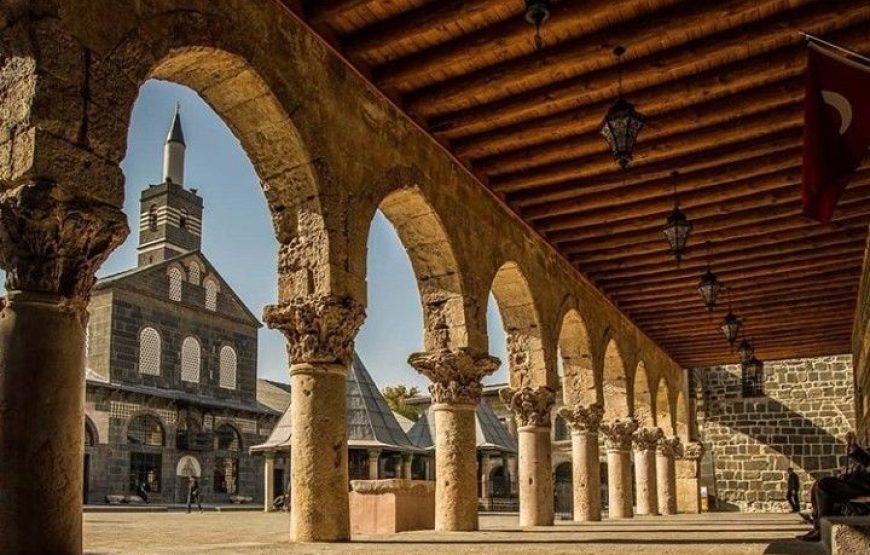
First, visit the Great Mosque of Diyarbakir, one of Turkey's oldest mosques Next, proceed to the Four Legged
Minaret, a rare minaret built in the 16th century supported by four stone pillars. Legend has it that touching the
pillars brings good luck, making it a popular spot among locals.
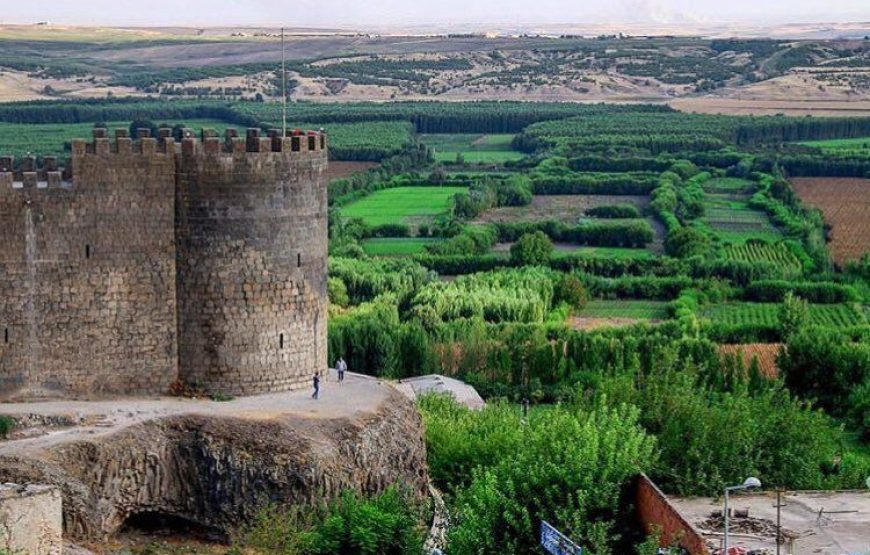
Next, we arrived at the Diyarbakir City Walls, which stretch for about more than 5 kilometers and are built of black
basalt. They are the second longest and best-preserved city walls in the World, after the Great Walls of China.
UNESCO has designated them, along with the adjacent Hevsel Gardens, as a World Heritage site, symbolizing the
wisdom of humanity in coexisting with nature.
On the return journey, we passed the Ten Eyes Bridge, an ancient Roman stone arch bridge spanning the Tigris
River. Named for its ten arches, it was once an important passage on the Silk Road.
The final stop of the day was the ruins of Zerzevan Castle, perched on a narrow ridge between Diyarbakir and
Mardin, like a silent guardian overlooking the ancient Silk Road. In the 4th century AD, the Eastern Roman Empire
built towering walls and sturdy watchtowers here to defend against attacks from the Sasanian Persian Empire. The
castle covers approximately 6 hectares, and today one can still see the remains of walls several meters thick, stone
gates, soldiers' quarters, granaries, water reservoirs, and cleverly carved secret chambers beneath the rock. The
most mysterious structure is undoubtedly the Mithraeum—an underground sanctuary accessible only to Mithraic
devotees. Its entrance is low and hidden, and the interior features an arched dome carved from natural rock, with
walls once painted with symbols of light and justice. Legend has it that at night, seven oil lamps symbolizing the
seven heavens of the universe would be lit in the temple, and Mithraic priests would chant incantations by
candlelight, performing rituals to communicate with the stars. There is also a widely circulated local legend: during
the final battle of the castle, a Roman commander hid a golden dagger, a symbol of royal power, in a secret chamber
beneath the Temple of Mithras, vowing that "it will only see the light of day again when peace returns to this land." To
this day, explorers are still searching for that lost dagger.We drive to Diyarbakır.Overnight.
* Meals: Breakfast, Lunch, Dinner
* Transportation: Domestic flights; air-conditioned vehicle

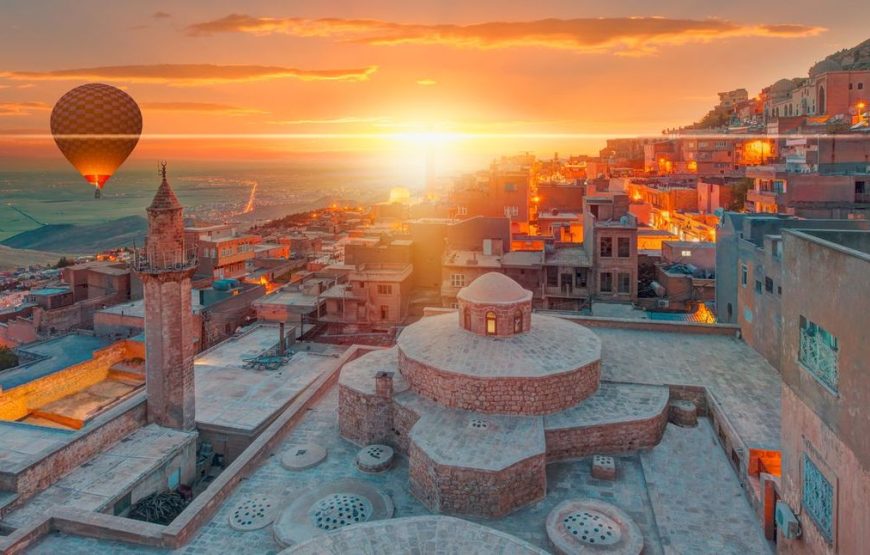
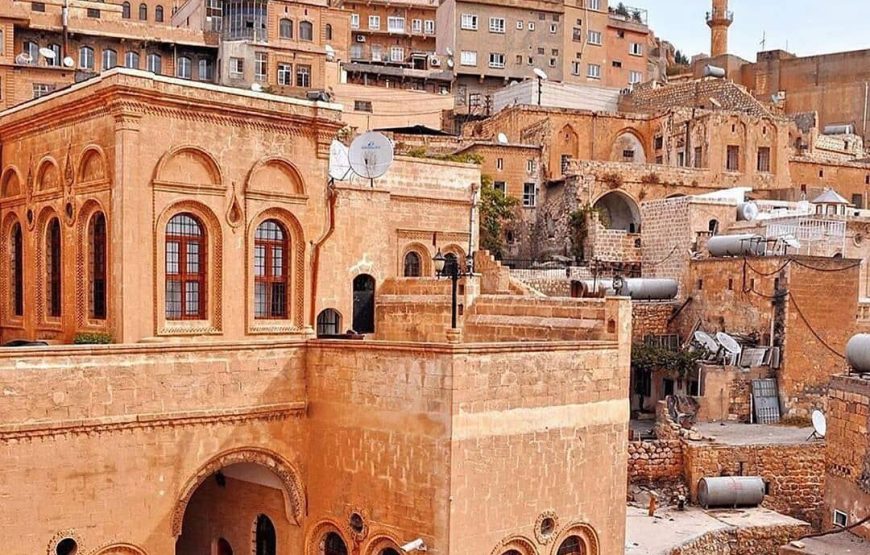
After breakfast, enjoy a city tour and a stroll through the old town of Mardin . Mardin's stone houses are built
along the hillside, and the narrow, winding streets are imbued with Arabic and Assyrian cultural atmosphere. The
golden facades gleam in the sunlight.
Next, we will visit the Zinciriye Medresesi, a 14th-century Islamic academy with exquisite stone carvings and
arched courtyards, its architecture blending Persian and Anatolian elements. Legend has it that it once housed
many precious manuscripts. Following that is the Kasimiye Medresesi , a 15th-century academy with aqueducts
symbolizing the journey of life, and magnificent architecture. This academy was once a center of religion and
education, preserving a rich collection of books and documents.
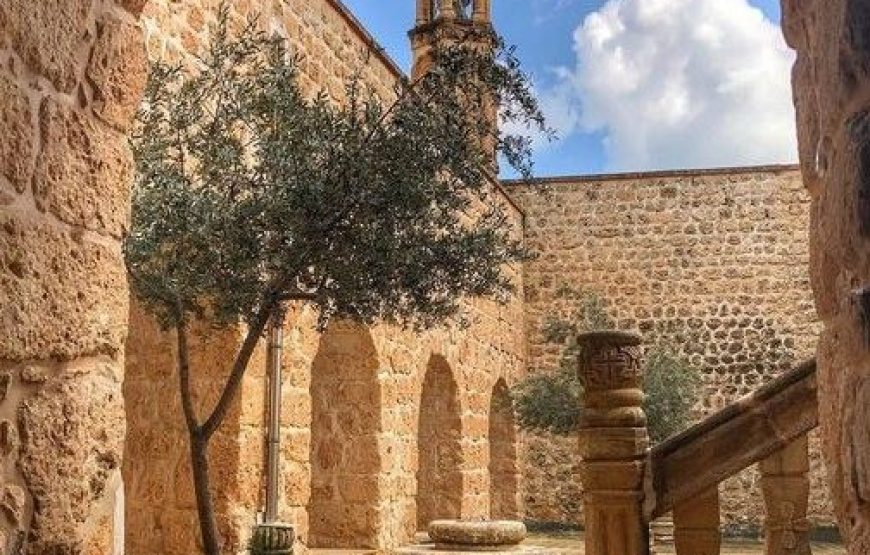
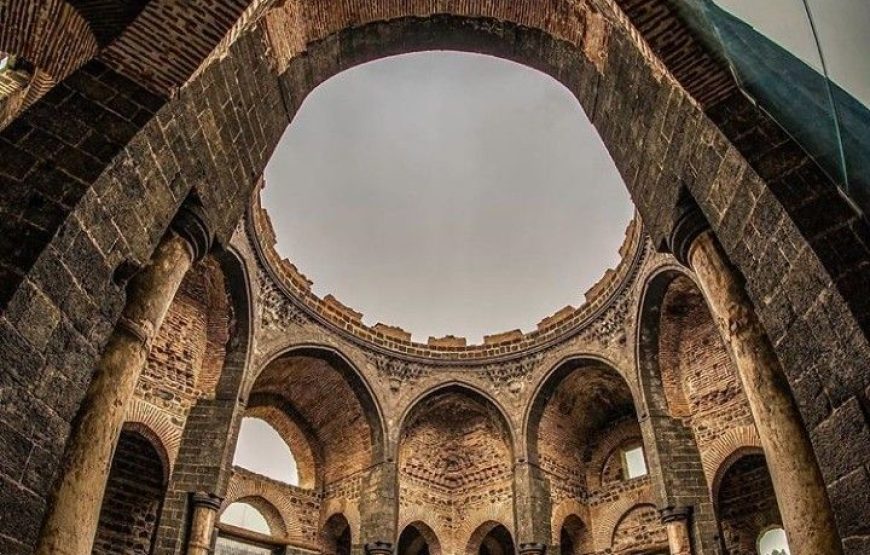
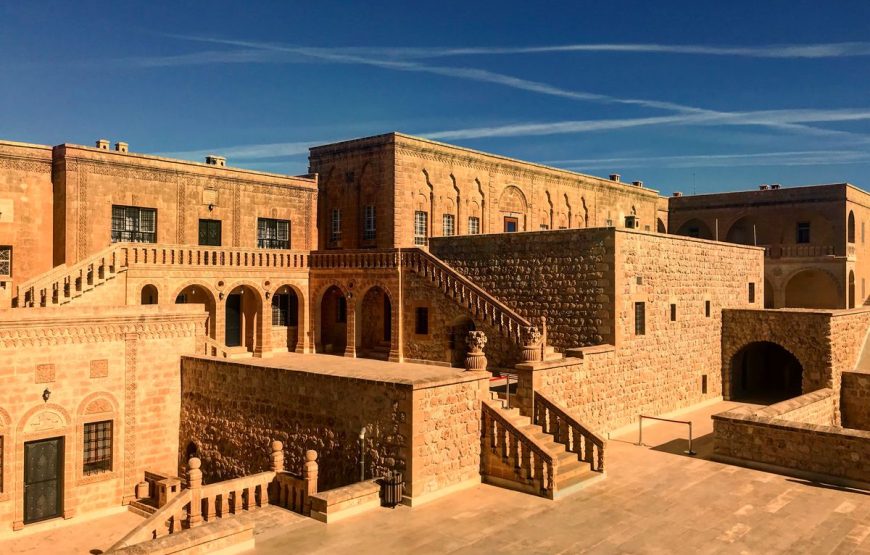
Next, we will visit the Deyrulzafaran Monastery , an ancient center of the Syrian Orthodox Church,
built in the 5th century. The interior frescoes and stone carvings are of great artistic value, and the monastery
is said to have once housed relics of saints.
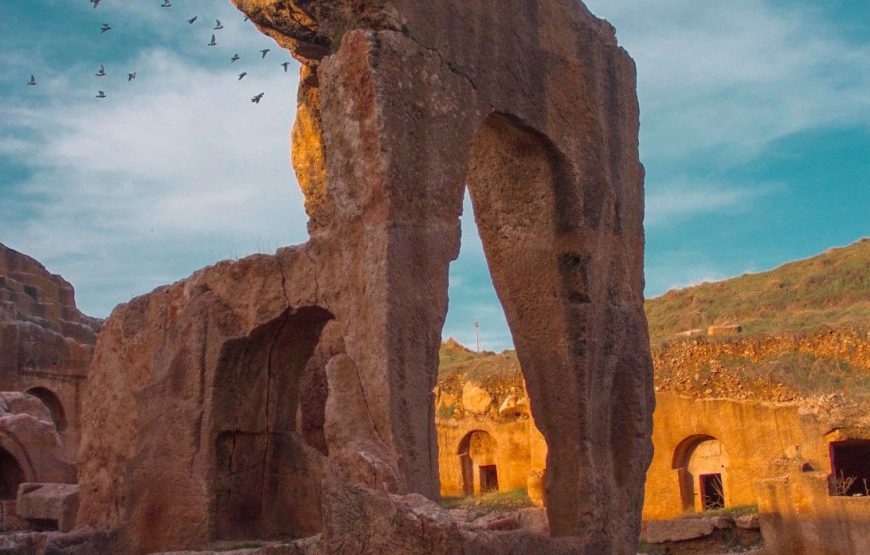
Finally, visit the Dara Ancient City ruins , an important military fortress during the Byzantine Empire. Its
underground system is spectacular, boasting a complex network of waterways and secret passages used for storing
food and providing refuge, showcasing the remarkable ingenuity of ancient engineers. Walking through this stone-
built ancient city, visitors feel transported back a thousand years, experiencing the tense atmosphere of soldiers
standing guard. The fortifications on the city walls and the rock tombs tell the story of the city's rise and fall
throughout history.
* Meals: Breakfast, Lunch, Dinner
* Transportation: Air-conditioned vehicle

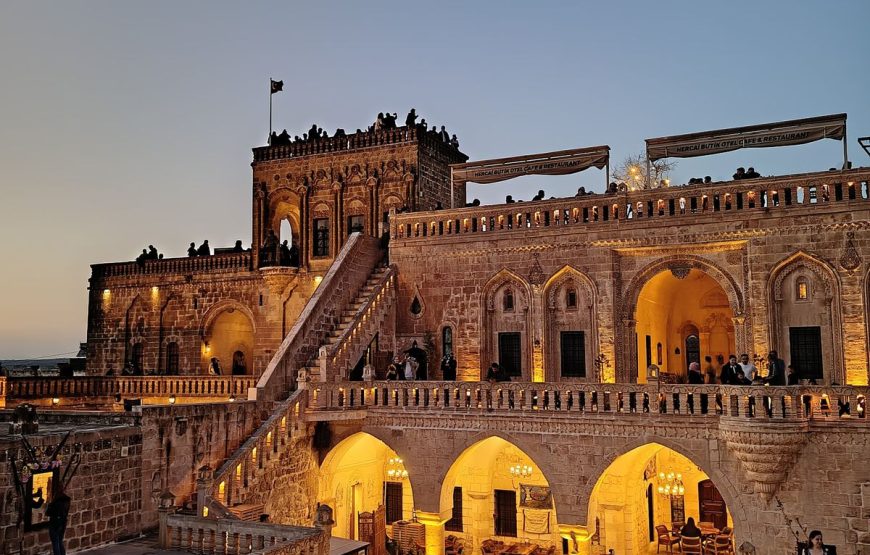
After breakfast, we will visit the Midyat Guest House, a traditional stone building that has been converted into a
guesthouse. It preserves the Assyrian lifestyle and architectural features, and has become a very popular spot for
travel photography in recent years. We will also visit the Old Streets of Midyat, an ancient street paved with
cobblestones where handicraft shops coexist with traditional houses, showcasing a rich local culture. The Old
Streets have many ancient and traditional Telkarri Workshops , which possess a century-old silver inlay technique.
Their exquisite handcrafted products are among the most famous handicrafts in the area.
Afterwards, we will visit the Mor Gabriel Monastery , built in 397 AD. It is one of the oldest and still-functioning
Syrian Orthodox monasteries in the World, boasting exquisite stone carvings and vibrant frescoes, remarkably well-
preserved despite its millennia-long history. Legend has it that it once housed relics from Jerusalem, attracting
countless pilgrims for blessings and veneration. The monastery is said to have been founded by two Syrian Orthodox
saints.It is believed that during its construction, they experienced numerous miracles that allowed the monastery to
survive several wars.During the Crusades, the monastery secretly protected precious relics and manuscripts,
preventing looting and destruction, becoming a spiritual bastion of the Christian world at that time.Drive to
Batman.Overnight.
* Meals: Breakfast, Lunch, Dinner
* Transportation: Air-conditioned vehicle
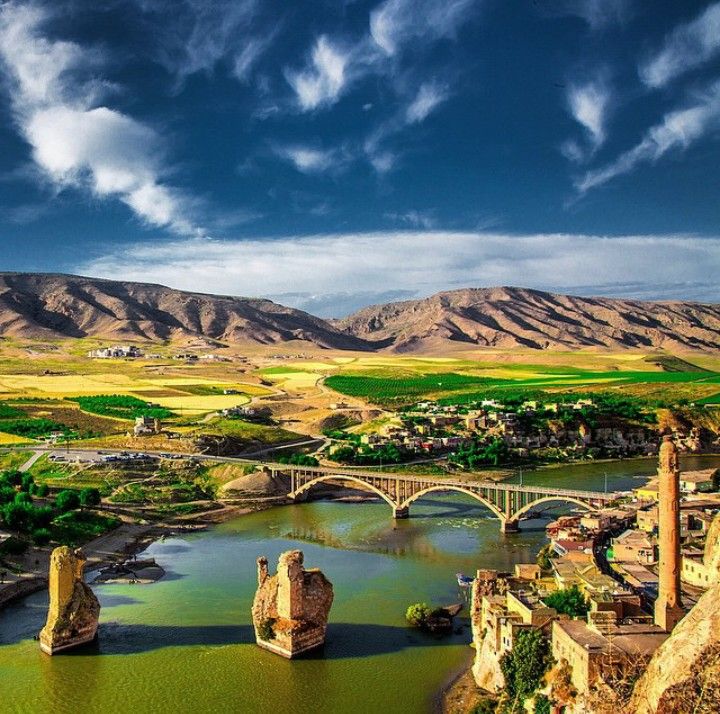
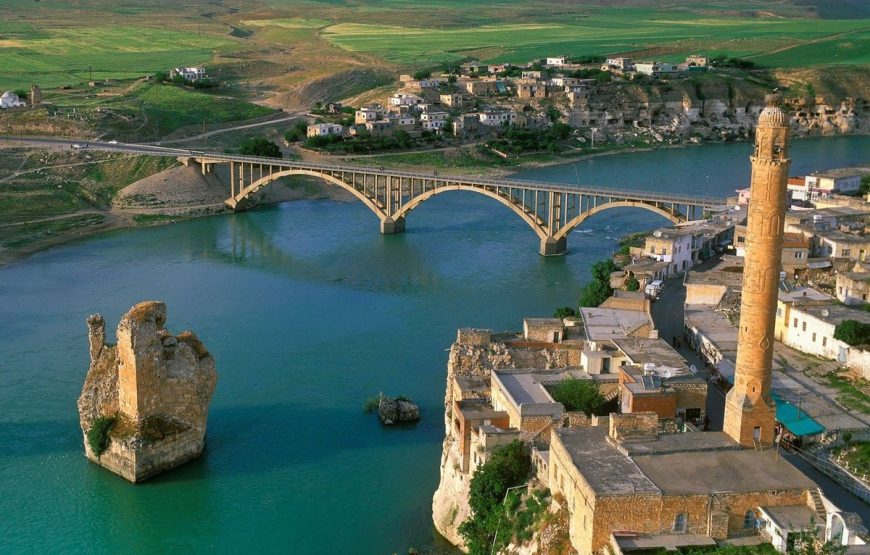
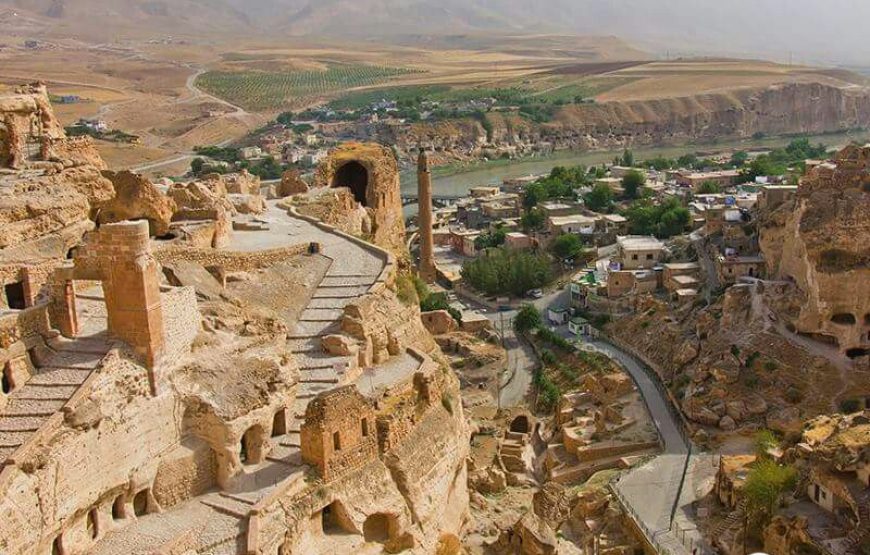
After breakfast, we'll first head to Hasankeyf, an ancient city with 12,000 years of history. The cave dwellings and
medieval stone bridges along the Tigris River are breathtaking. Partially submerged due to dam construction, the
area has become a symbol of cultural preservation. Hasankeyf is like a living history museum sculpted by time. Its
rock caves are not only the dwellings of ancient inhabitants but also natural castles. The cave complex, built into the
mountainside, bears witness to the rise and fall of countless generations. Legend has it that these caves were once
secret refuges for pagans and early Christians fleeing persecution, mysterious and full of power. The ancient
Hasankeyf stone bridge spans the rushing river, remaining sturdy despite the ravages of war in the 13th
century. Hasankeyf boasts diverse architecture blending Byzantine, Arabic, and Kurdish cultures. The magnificent
ancient mosques and stone palace ruins tell the story of dynastic changes and religious beliefs. It is not only an
archaeological treasure trove but also a convergence point of culture and mystery. Legend has it that this place
holds the treasures of ancient emperors and was once a sacred site for hermits and alchemists. Despite being
partially submerged by the Ilissu Dam, Hasankeif continues to attract adventurers seeking history and mystery with
its enduring legends and magnificent natural landscapes. Strolling through the ancient city is like traveling through a
thousand years, experiencing a mysterious epic that transcends civilizations—a secret haven that every traveler
should not miss.Horseheads are to be seen.Nearby is the Arkeopark & Archaeological Museum, which boasts a
rich collection showcasing precious artifacts from the Mesopotamian to the Ottoman periods.
After lunch, we will visit the Mor Kiryakos Monastery, built in the Middle Ages and an important monastic site for
the Syrian Orthodox Church. The monastery is renowned for its sturdy stone structure and elegant vaulted ceilings,
and its interior preserves exquisite religious frescoes and ancient manuscripts. Legend has it that this place was
once a sanctuary for monks seeking refuge and meditation, witnessing countless historical changes and unwavering
faith.Overnight.
*Meals: Breakfast, Lunch, Dinner
* Transportation: Air-conditioned vehicle

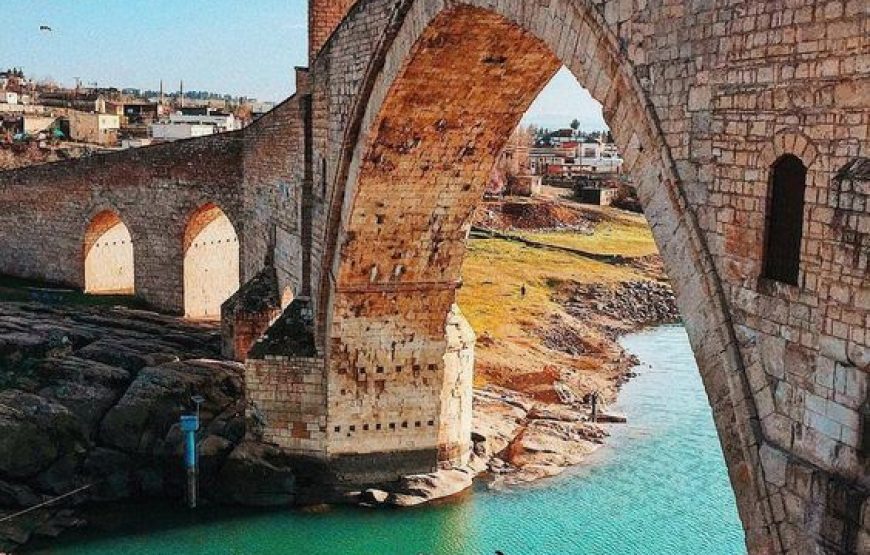
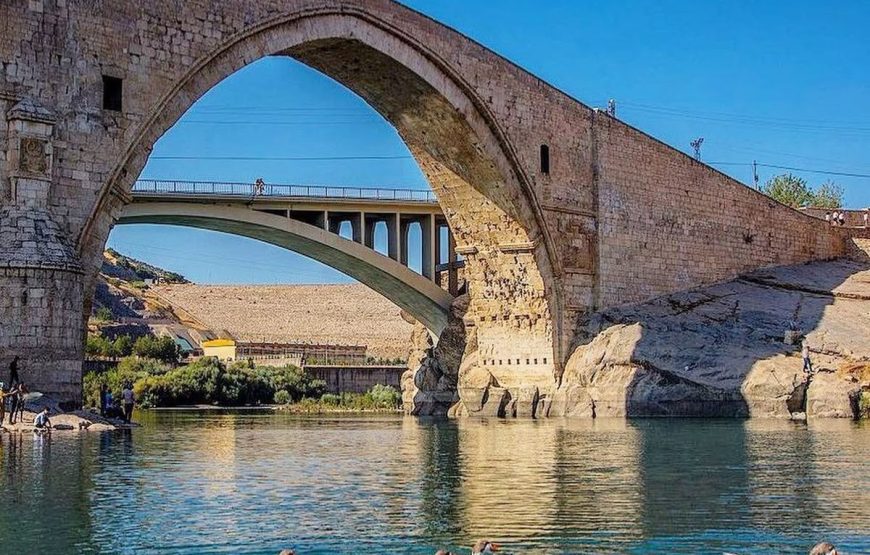
After breakfast, we will visit the Malabadi Bridge , a magnificent stone arch bridge built in the 12th century during
the Seljuk Empire. Spanning the Tigris River, it connects vital trade routes between East and West. With a span
exceeding 33 meters, it was the world's largest single-arch stone bridge at the time, showcasing the exceptional
architectural talent and exquisite stonemasonry of medieval engineers. The bridge's structure is sturdy and elegant,
and beneath it are stone chambers for travelers to rest. Legend has it that the bridge was not only a passageway for
merchants but also a source of inspiration for poets and travelers, earning it the title of "a miracle of bridge art."
Strolling across it, one can feel the bustling activity of the ancient Silk Road and admire the magnificent river valley
scenery. The Malabadi Bridge is like a link across time, connecting history and modernity.
Passing through the towns of Kozluk and Sason, a town that once boasted rich Kurdish and Armenian culture and
style, the traditional buildings within the town are well preserved.
Arriving at Mereto Mountain : a place where local natural beauty and cultural legends meet. The mountain
experiences four distinct seasons, with winter blanketed in snow and summer lush greenery, making it a paradise for
hikers, adventurers, and photographers. Legend has it that Mereto Mountain was once a sacred site for ancient
tribes, hiding mysterious caves and ancient stone carvings that attract travelers seeking historical and natural
wonders. From the summit, one can enjoy panoramic views of the winding Tigris River and breathtaking canyon
scenery. Mereto Mountain is not only a natural gem but also a symbol of cultural heritage.
After descending the mountain, we passed the Rock Salt Mine : an ancient mine where crystal-clear salt crystals
shimmered under the lights, a testament to its long history. We then passed the Batman Pyramids, natural cone-
shaped hills named for their pyramidal shape, a mysterious and magnificent sight.
We drive to Siirt.Overnight.
*Meals: Breakfast, Lunch, Dinner
* Transportation: Air-conditioned vehicle

Travel to Tillo , renowned for its unique "Equinox Phenomenon of Tillo." Every year during the spring and autumn
equinoxes, sunlight shines precisely through ingeniously designed gaps in the stone walls, illuminating the tomb of
the priest Ismail Fakirullah, showcasing the remarkable ingenuity of ancient architects and astronomers.
In the 18th century, Ibrahim Haq, a scholar from Erzurum, designed a device to commemorate his mentor, Ismail
Fakirullah. He constructed a stone wall with small windows on a hill 3 kilometers east of the tomb, and built a
towering octagonal tower beside it. On the morning of the spring equinox, the first rays of sunlight would pass
through the small windows in the stone wall, reflect onto a mirror inside the tower, and finally shine directly onto
Ismail Fakirullah's tomb. This achieved a remarkable alignment of sunlight on the spring and autumn equinoxes, a
perfect combination of astronomy and architecture at the time, embodying the harmonious unity of science and faith.
This phenomenon, a stunning manifestation of astronomical precision and architectural genius, symbolizes piety,
wisdom, and the harmonious unity of science and faith. The system's uniqueness led to its inclusion on UNESCO's
tentative list of World Heritage Sites. Delos thus became a symbol of science and spirituality, attracting countless
scholars and tourists to explore this sacred place that blends wisdom and mystery.
Afterwards, we will travel to Botan Valley , a deep and sprawling canyon stretching for tens of kilometers, with
streams winding through it, forming magnificent waterfalls and natural pools. It is a hidden paradise for hikers and
nature lovers. Not only does it boast rich biodiversity, but it also preserves the ancient Kurdish tribal culture and
traditional way of life, allowing visitors to experience local customs and hospitality up close. Legend has it that
mysterious ancient ruins and undiscovered caves lie hidden deep within the canyon, waiting for brave explorers to
unveil their secrets.
Return to the city center to visit the Siirt Ulu Mosque , a 12th-century ancient mosque with a distinctive wooden
dome and intricate geometric patterns. The surrounding Clock Tower and Old Bazaar are bustling with activity,
filled with spices, carpets, and bronzeware; the Clock Tower is a symbol of the city.
Afterwards, we will be transferred to the airport for our flight to Istanbul.Overnight.
* Meals: Breakfast, Lunch, Dinner
* Transportation: Air-conditioned vehicle

Free time for shopping after breakfast (no mandatory recommendations). Afterwards, transfer to Istanbul Airport; end
of tour.
Optional Tour: Topkapi Palace , also known as the Old Palace, is situated on a historic peninsula in Istanbul. It was
the site of state ceremonies and royal entertainment, and the residence and workplace of successive sultans.
Overlooking the Sea of Marmara and the Bosphorus Strait, it served as the residence of successive sultans for
nearly four centuries, from Mehmed's conquest of Constantinople in 1453 until the 19th century. Today, the open
sections display a vast collection of porcelain, weapons, paintings, calligraphy, and jewelry. Topkapi Palace
comprises four courtyards and other smaller buildings, resembling a city within a city. The entire palace is water-
supplied by underground aqueducts and includes a royal kitchen, sleeping quarters, gardens, a library, a school, and
a mosque. Various artists and craftsmen created many outstanding works for the entire empire.
*Meals: Breakfast
* Transportation: Air-conditioned vehicle

Member Since 2025


