Pamukkale Tour / Fethiye Paragliding Tour / The Most Beautiful Patara Beach (7 Days 6 Nights – An Unbeatable All-Inclusive Experience)

0 (0 Reviews)
From: $2.219,00
0
(0 review)
Check
Duration

7 Days / 6 Nights

Tour Type

Daily Tour

Group Size

30 people

Languages

Chinese, English

About this tour

Turkey ETT International Travel Agency   No. 16
7 Days 6 Nights (6 nights 7 days)
Istanbul | Dalaman | Dalyan | Fethiye | Oludeniz | Patara | Pamukkale

Highlights

  • Sail along the Dalyan River, pass through the reed marshes, visit the ruins of Kaunos and Iztuzu Beach, and enjoy a mud bath to rejuvenate body and mind.
  • Stroll through the thousand-year-old ruins of Patara, and just beyond lies the 20-kilometer golden sands of Patara Beach, accompanied by sea turtles at sunset.
  • Fly over Fethiye and experience world-class paragliding, overlooking the spectacular view where the Mediterranean meets the Blue Lagoon, moving in harmony with nature.
  • Arrive at the dreamlike Pamukkale and take a hot air balloon ride at dawn over the travertine wonder.

Included/Excluded

  • PACKAGE INCLUDES:
  • Airport meeting and transfers
  • Meals as indicated.
  • Chinese speaking professional guide.
  • Tours as mentioned.
  • Entrance tickets.
  • 4-star good hotels.
  • Bosphorus cruise and Boat tours as mentioned.
  • Airconditioned vehicle. (Depending on the size of the group)
  • The tours are applicable for minimum 4 participants, and Bosphorus cruise we offer private just from 10 participants.
  • Domestic flights are excluded. We will be responsible for domestic flights and we will provide a final quote at your booking.

Itinerary

DAY 1  ARRIVAL ISTANBUL

Meet & greet upon arrival at Istanbul International Airport.

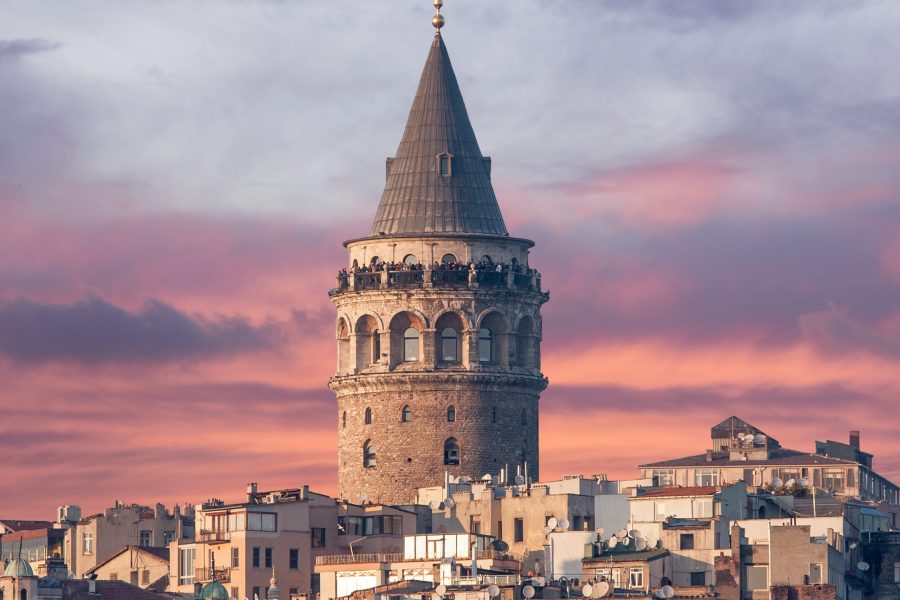
Istanbul has always held a pivotal position on the Silk Road, playing a particularly crucial role in transporting goods from China to the European continent—a role that remains significant to this day. It is, in essence, a city that bridges two continents: Europe and Asia. Both the ancient Silk Road and the modern Silk Road have regarded Istanbul as one of their most important corridors. Historically, the city stood on the vital route linking the western and eastern parts of the Roman Empire and was established in the 3rd century BC during the tenure of Consul Egnatius.

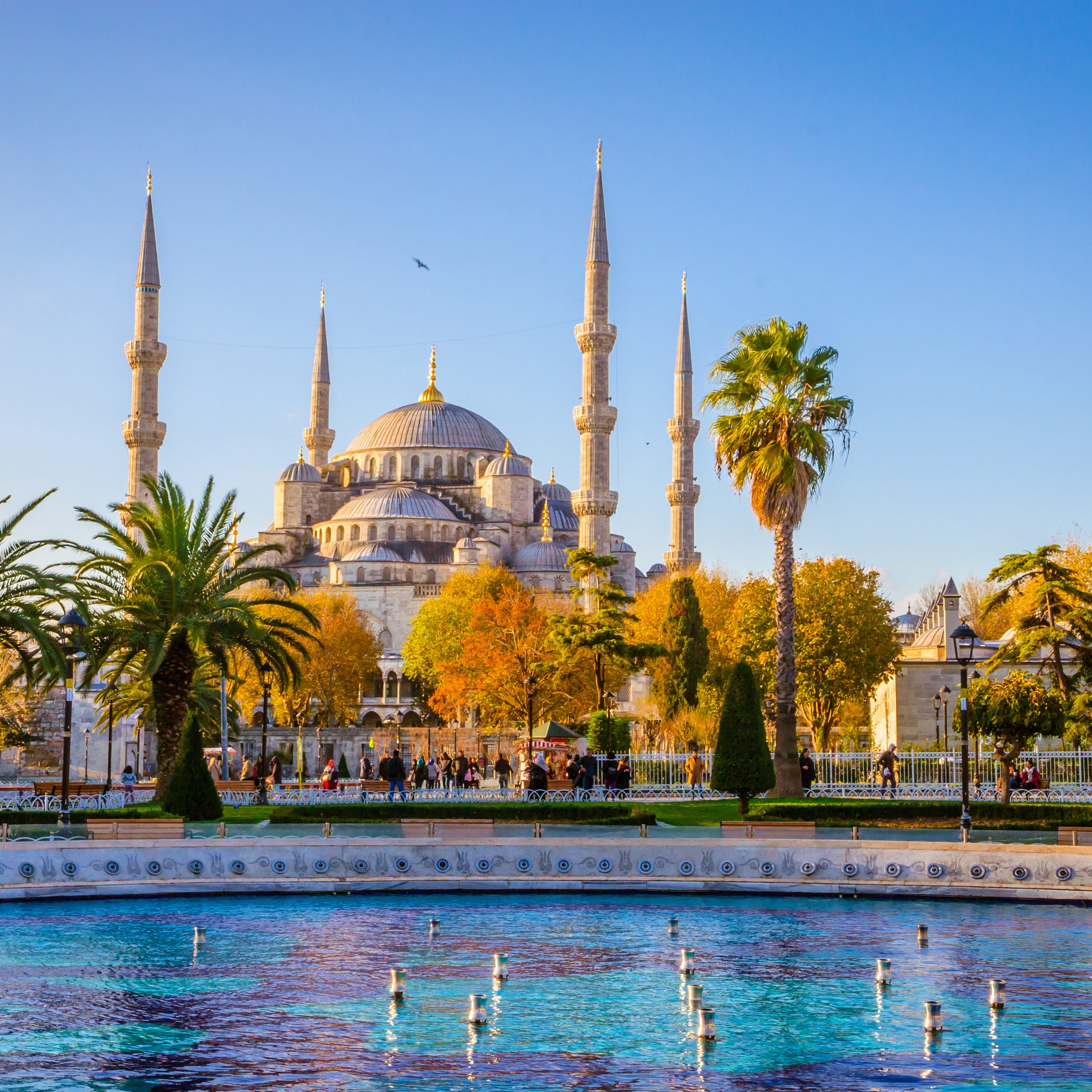
Proceed to the Byzantine Hippodrome (Hippodrome), once the sporting and social heart of Constantinople, the capital of the Byzantine Empire. Today it serves as the central square of Istanbul’s Old City. Here you will see the Obelisk of Theodosius, the Çemberlitaş Column, and the Serpent Column and Column of Constantine. After lunch, visit the iconic Blue Mosque (The Blue Mosque), one of Istanbul’s most famous landmarks. Its interior walls are adorned with exquisite blue İznik tiles decorated with intricate floral motifs, filling the mosque with a serene blue hue. As the largest domed mosque in Istanbul, it is surrounded by six slender minarets. The journey continues to the Egyptian Spice Bazaar (Aegyptian Spice Bazaar), where the air is filled with the aromas of cinnamon, cloves, thyme, and countless other spices. Spices were once an essential commodity along the Silk Road, and over time this trade evolved into the vibrant spice market seen today.

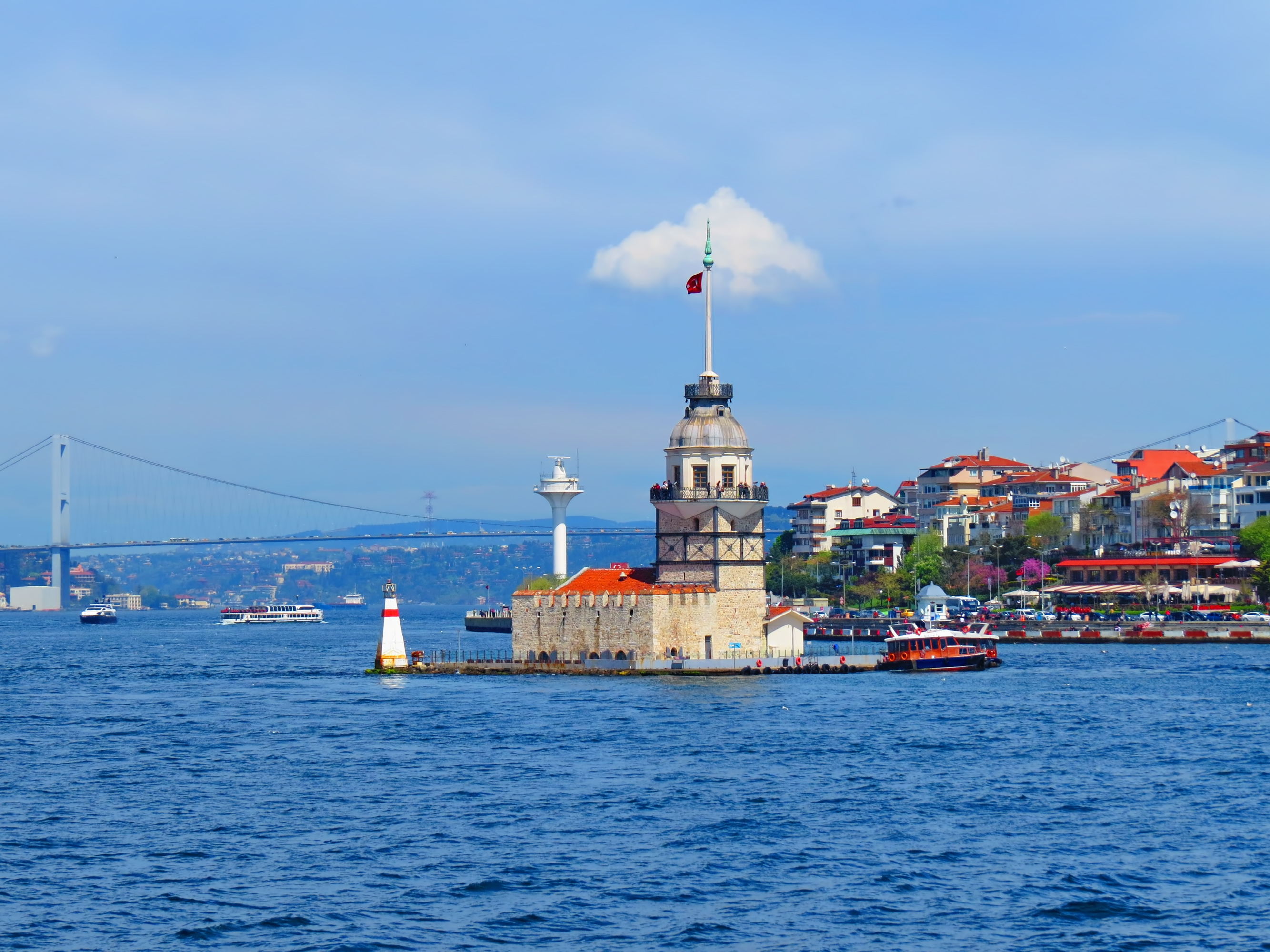
Enjoy a boat tour of the Bosphorus (Boat Tour of the Bosphorus), the natural strait marking the boundary between Europe and Asia. Along the way, admire panoramic views of waterfront palaces, ancient fortresses, imperial gardens, and the Bosphorus bridges linking two continents. With the sea breeze, gliding seagulls, and ever-changing scenery, the cruise offers a truly relaxing and memorable experience. After dinner, return to the hotel for rest.

Meals: Lunch, Dinner
Transportation: Air-conditioned coach

DAY 2 ISTANBUL → DALAMAN → IZTUZU BEACH

After breakfast, transfer to the airport and fly to Dalaman Airport.

Drive to the white-coast town (Akyaka), a beautiful town along the Aegean coast, featuring charming natural scenery and tranquil architectural style. Many underground springs converge into rivers that flow into the bay lake, making the water unbelievably clear. During a scenic boat tour on the Azmak River, you can clearly see seagrass and fish beneath the surface. Clusters of reeds sway in the wind along the river, and mallards and swans glide leisurely on the water. The white-coast town is surrounded by the Aegean Sea and mountains. Nearby are beautiful nature reserves and wetlands, making it a paradise for nature lovers and photography enthusiasts. Then pass by Love Road, where tall and straight trees line both sides of the road like pairs of lovers watching over each other. The lush greenery and countless love stories attract many people to come here for photos and even weddings.

Visit the sea turtle volunteer hospital (Carreta Hospital). Carreta is a species of the endangered loggerhead sea turtle family and is one of the oldest surviving reptiles. Volunteers take in injured and sick sea turtles and help them recover so they may return to the sea. At the rescue hospital, you can see many large seawater tanks. The rescued turtles are affectionately given names by their caretakers. Some were injured by boat propellers, some were entangled in fishing nets and struggled to break free. Most were weakened due to human activities and recover here slowly over several months or even one to two years. Researchers install tracking devices on some of them to monitor whether they return normally to life in the ocean.

At the far end of one side of our Dalyan River cruise lies one of Europe’s top ten most beautiful beaches: Iztuzu Beach. The 4.5-kilometer-long Iztuzu Beach is a narrow strip of land forming a natural barrier between the Dalyan River and the Mediterranean Sea. It is famous for its soft golden sand and pine-covered hills, making it an ideal place for swimming and surfing. It is peaceful and tranquil, a perfect place to return to nature. It is known as “Caretta Sea Turtle Beach” because it is one of the most important nesting sites for sea turtles in Turkey. Last year, the number of nests officially reached 700, the highest record so far. Every summer and autumn night, many visitors and photographers come here in hopes of capturing sea turtles coming ashore to lay eggs or baby turtles crawling toward the sea after hatching.

As it is a protected sea turtle reserve, it is not very crowded and the beach is very clean. Whether you want to walk barefoot along the shore or simply sit beautifully by the sea enjoying the scenery, there are convenient pathways and showers available. Enjoy sunbathing here and listening to the waves — it is a rare, relaxing, and natural paradise.

  • Meals: Breakfast, Lunch, Dinner

  • Transportation: air-conditioned coach; private boat tour

DAY 3 DALYAN → KAUNOS

After breakfast, drive to the Dalyan River area. The scenery here is beautiful and it is adjacent to the ancient city of Kaunos. We take a yacht and drift down along Dalyan Creek, passing by the Lycian Rock Tombs. The entire Dalyan River winds and twists with rippling blue water. The wind blows through the reeds, and suddenly the view opens up to the beach.

In the middle section of the river, there are several natural mountain springs and mud pools rich in mineral nutrients. Mud baths (MUD BATH) are very popular abroad. Visitors excitedly jump into the mud pools, cover their whole bodies with mud, let it dry slightly under the sun, and then peel it off. The skin absorbs moisture and nutrients, becoming fairer and more tender — both healthful and fun.

The ancient city of Kaunos is a 3,000-year-old city. In ancient times, it was known as an important commercial port city due to salt production and trade. The ancient city preserves large-scale ruins such as an Athena temple, theater, Roman baths, church, fountain, marketplace, and monuments. The site is located along the quiet Dalyan River and can be reached by cruise boat or minibus, followed by a 15-minute walk up a mountain path. Upon entering, you will be amazed by the open ruins overlooking the river scenery and the rich historical significance. You can spend several hours strolling among these architectural remains, including ancient roads, baths, temples, churches, and theaters. Continue walking all the way down to a wide and beautiful riverside ruins park.

The ancient city of Kaunos and its rock tombs were included in the UNESCO Tentative List in 2014. After dinner, return to the hotel for rest.

  • Meals: Breakfast, Lunch, Dinner

  • Transportation: Air-conditioned coach; private boat tour

DAY 4 FETHIYE → OLUDENIZ  → KAYAKOY

下面为严格按原文翻译版本,不添加、不删改、不扩写:


After breakfast, drive to Fethiye. This is a culturally and historically renowned city on Turkey’s southeastern coast. More importantly, it is a paradise for tourism enthusiasts. In Fethiye, people fully enjoy sunbathing, hiking, mountaineering, yachting, sailing, paragliding, skiing, and various other activities, completely releasing their adrenaline.

Head to the Oludeniz bay area. In Turkish, Oludeniz literally means “Dead Sea.” Because the salinity of this bay is extremely high, even those who are not good at swimming can comfortably float on the surface. Oludeniz Bay has become Turkey’s most famous natural seawater bathing beach and seaside holiday destination. In addition to island-hopping tours and strolling by the sea, you can take a cable car up the mountain to overlook the panoramic view of the bay and quietly enjoy the beautiful Aegean Sea. You can also experience paragliding (PARAGLIDING), accompanied and guided by professional flight instructors, overlooking the magnificent Fethiye and the blue Dead Sea from the air.

After lunch, we will have a brief sightseeing tour in the city area before heading to the “ghost town” Kayakoy. Kayakoy was originally named Levissi and was a prosperous community with a population of ten thousand before the 1920s. Anatolian Muslims and Greek Orthodox Christians lived harmoniously together since the city was founded in the 14th century. With the end of the Greco-Turkish War, this harmony was completely shattered. Overnight, the Christian residents were forced to leave. People of different religions were separated by war, and Levissi was renamed Kayakoy, meaning “Rock Village,” becoming a cold and rigid name.

Most of the time, however, the weather here is sunny. The sunlight quietly spreads over the hillside and the entire empty town. It does not feel mysterious, only tranquil. Walking past some of the houses, you can see the once-painted colorful stone walls. In some places, there were once kitchens or small balconies. You can imagine that they once lived here happily, surrounded by beautiful scenery. After experiencing war and earthquakes, it now silently guards the memory of once harmonious coexistence.

After dinner, return to the hotel for rest.

  • Meals: Breakfast, Lunch, Dinner

  • Transportation: Air-conditioned coach

  • Optional Tour: Fethiye Paragliding

DAY 5 PATARA → XANTHOS → SAKLIKENT → PAMUKKALE

After breakfast, drive to Patara Ancient City (Patara). Patara was the capital of the Lycian League and was built in the 13th century BC. Patara Ancient City has important historical and archaeological significance. It was the only navigable place in the Xanthos Valley. Remarkably, Patara was not only famous as a port, but Saint Nicholas, known as “Santa Claus,” was born in Patara. Saint Paul also boarded a ship from here to Rome. Like many Greek and Roman ancient cities, the entrance of the city features a magnificent and well-preserved Roman triumphal arch, baths, Corinthian temple, and amphitheater. Standing on the highest steps of the theater, you can see the beautiful coastline scenery.

Patara Beach (Patara Beach) was selected by Times Online Best in 2005 as one of the world’s top beaches and is known as “the longest beach in the northern Mediterranean.” With its 17-kilometer-long beautiful white sandy shore, it is a famous international social media check-in destination. Countless tourists come here every day to sunbathe, surf, and swim. It is also an important breeding ground for loggerhead sea turtles.

After lunch, proceed to visit Xanthos Ancient City (Xanthos Ancient City), the capital of Lycia, known as the “City of the Never Surrendered.” According to Homer, its history dates back to 1200 BC. It was once the political and religious center of Lycian civilization. When the Persians took control of Xanthos, the people of Xanthos burned down the city and surrendered it in ruins. In 334 BC, Alexander the Great conquered and later abandoned the city, as the people of Xanthos preferred collective suicide rather than surrendering to rule. Well-preserved remains of Xanthos include the Harpy Tomb, the Monument of the Nereids, the theater, the amphitheater, and the marketplace.

Then proceed to Saklikent Canyon (Saklikent Canyon), a local landmark attraction. Because of its unique natural wonders, it is one of the most beautiful national parks in Turkey. Featuring huge canyons, waterfalls, and primeval forest landscapes, it stretches 18 kilometers in total length and reaches a depth of 300 meters, making it one of the deepest canyons in the world. Hiking enthusiasts need professional equipment and outdoor knowledge to explore the entire route through the water. At times, the canyon becomes so narrow that only one person can pass, and even the sky above cannot be seen. Icy water flows down from the rocks and rushes forward. Visiting here offers both thrilling adventure and deep aerobic exercise.

Then drive to Pamukkale (Pamukkale). After dinner, return to the hotel for rest.

  • Meals: Breakfast, Lunch, Dinner

  • Transportation: Air-conditioned coach

Day 6  PAMUKKALE

After breakfast, visit Pamukkale. Optional tour: Pamukkale Balloon Tour (Balloontour).

Overlook Hierapolis-Pamukkale (Hierapolis-Pamukkale). The ruins of Hierapolis (Hierapolis) were a fortress built in 190 BC. Here you can visit and enjoy Cleopatra Antique Pools (Cleopatra Antique Pools). It is said that Cleopatra, the Queen of Ancient Egypt, once visited here. These ancient pools originate from hot springs and are believed to be beneficial to the skin. Visitors can relax and enjoy therapeutic effects here. The water is rich in minerals and is said to help treat skin diseases.

The Pamukkale region has a long history with many legends. In ancient Greek mythology, Zeus was the king of the gods, and Hera was his wife and goddess. It is said that Zeus once placed a throne in a hot spring of Hierapolis to soothe Hera’s anger and jealousy. This story may have been a way for local people to explain the origin and mystery of the hot springs.

According to Turkish folklore, there was a shepherd who grazed his sheep at the foot of Pamukkale every day. One day, the shepherd met a beautiful woman dressed in a white gown like an angel. They fell in love and decided to marry. However, their love was opposed by the woman’s parents, who hoped she would marry someone with greater status and wealth. Facing family opposition, the girl became seriously ill, and doctors were helpless. In despair, the shepherd prayed to the gods for help. The gods instructed him to bring the girl to the hot springs of Pamukkale. He came and cried out, begging the gods to grant her health. Gradually, a strange white light rose from the hot spring water and covered the girl’s body. A miracle occurred—her condition began to improve and she gradually recovered. People believe this was a blessing from the gods for the shepherd and the girl’s faithful love, and also a reflection of the magical healing power of the Pamukkale hot springs. These legends and stories add a mysterious and romantic atmosphere to Hierapolis and Pamukkale, and also convey that since ancient times people have believed in the healing properties of the hot springs near Pamukkale. The unparalleled unique natural landscape and rich mysterious history have always attracted many visitors.

The springs flowing from 200-meter-high cliffs above the plain and the calcite in the water formed the miraculous and unique landform known as “Pamukkale.” The spring water flows down from the mountaintop, and over thousands of years of calcium deposition, it has formed layers of semicircular white natural limestone terraced thermal pools (Travertens). These calcified terraces sparkle under the sunlight and, from a distance, resemble piles of white cotton.

At the end of the 2nd century BC, the kings of Pergamon of the Attalid dynasty established the Hierapolis thermal spa. The water temperature remains between 36 and 38 degrees Celsius throughout the year. For ancient people, such beautiful scenery must have been a place where gods once lived. Therefore, the important city of Hierapolis, built near the natural hot springs, attracted pilgrims from all over. In 1985, Hierapolis and Pamukkale were inscribed on the UNESCO World Heritage List as a mixed cultural and natural heritage site by the World Heritage Committee.

After dinner, return to the hotel for rest.

  • Meals: Breakfast, Lunch, Dinner

  • Transportation: Air-conditioned coach

  • Optional Tour: Pamukkale Balloon Tour

DAY 7 PAMUKKALE → ISTANBUL

After breakfast, enjoy free time for shopping. Afterwards, transfer to Istanbul Airport for the departure flight. The journey comes to an end.

Meals: Breakfast
Transportation: Air-conditioned coach

Durations

7 days 6 nights

Languages

Chinese
English

Frequently asked questions

Airport transfers are not included in the price of this tour, however you can book for an arrival transfer in advance. In this case a tour operator representative will be at the airport to greet you. To arrange this please contact our customer service team once you have a confirmed booking.

Tour's Location

From: $2.219,00

Owner

Lina

Member Since 2025

Explore other options