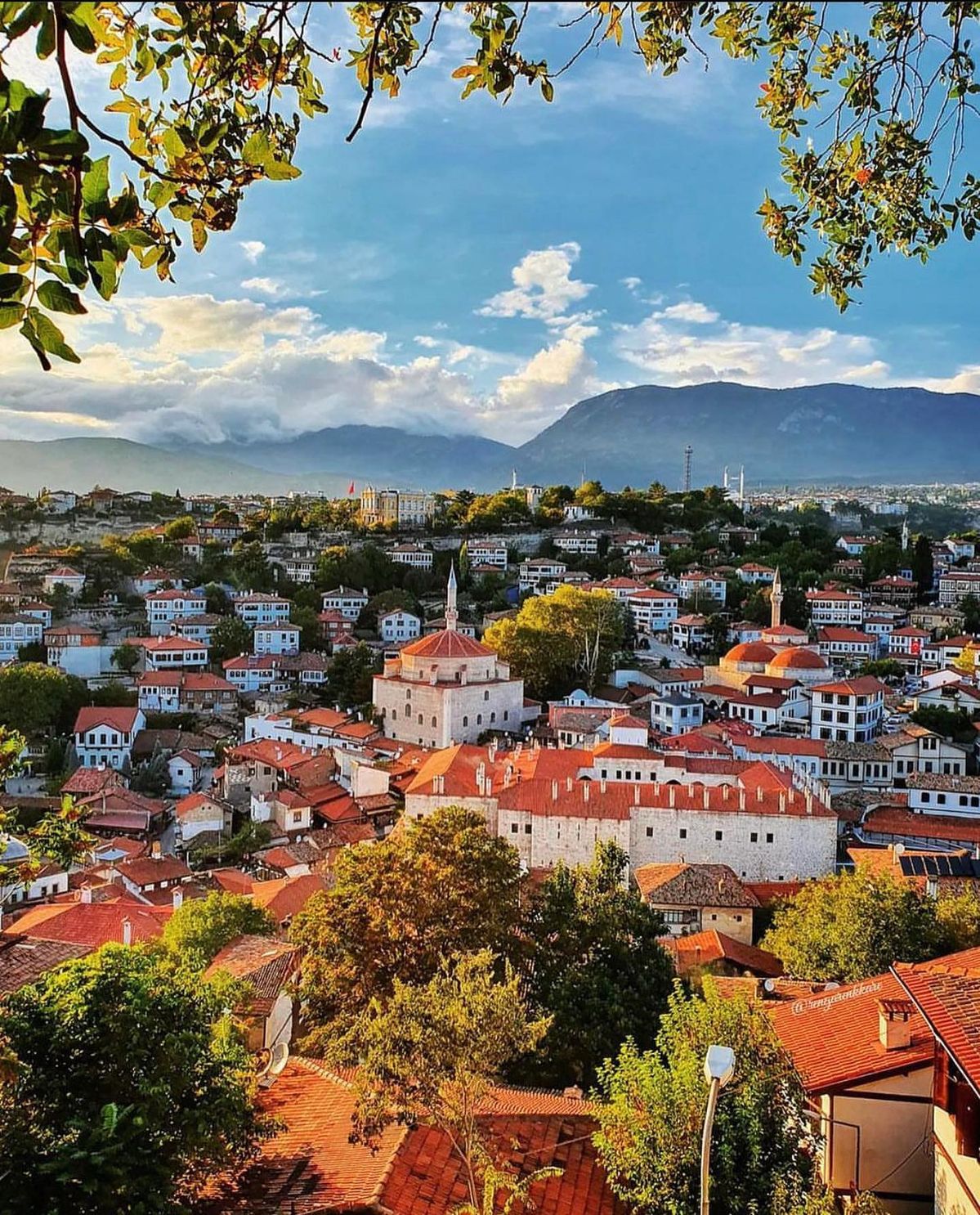
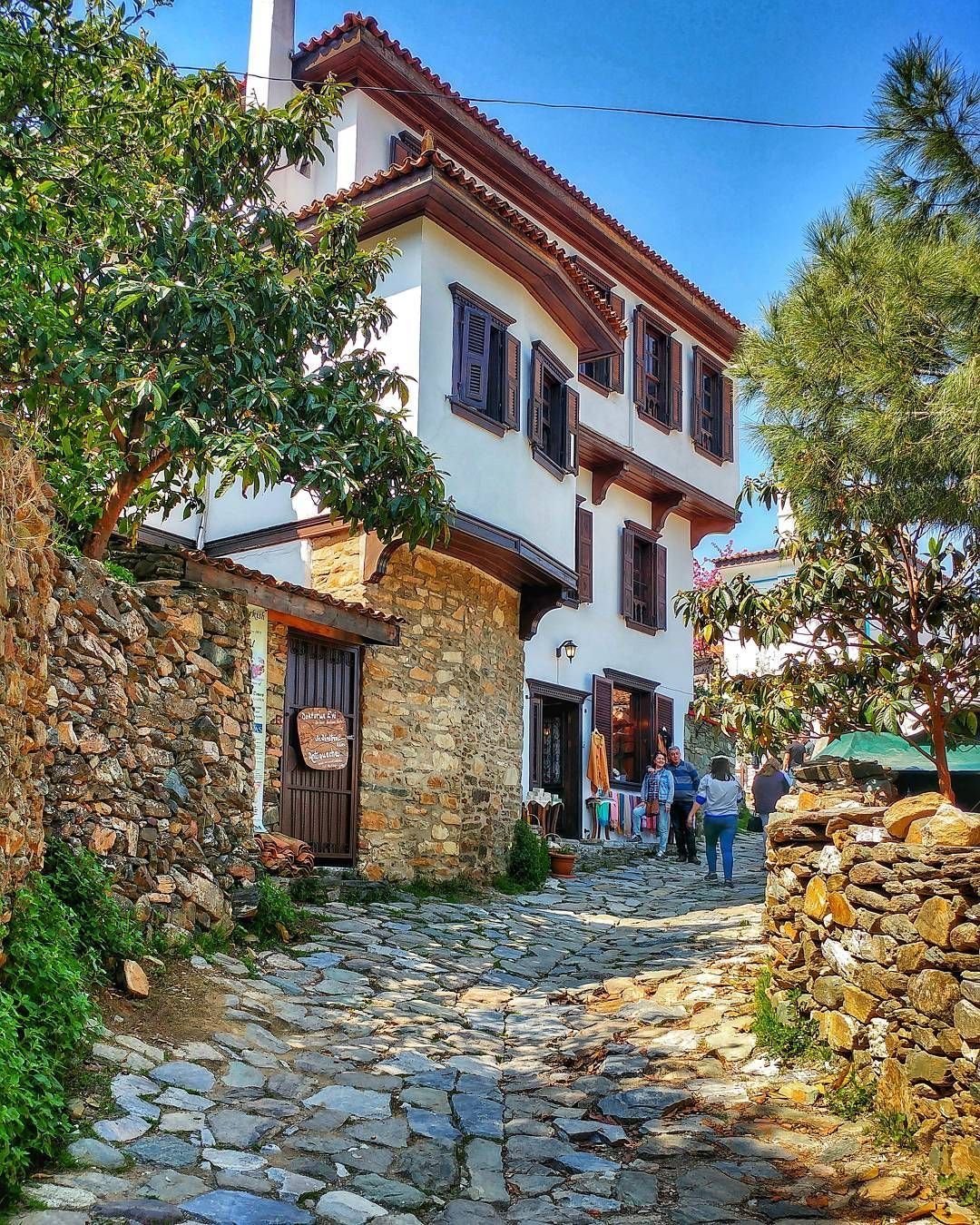
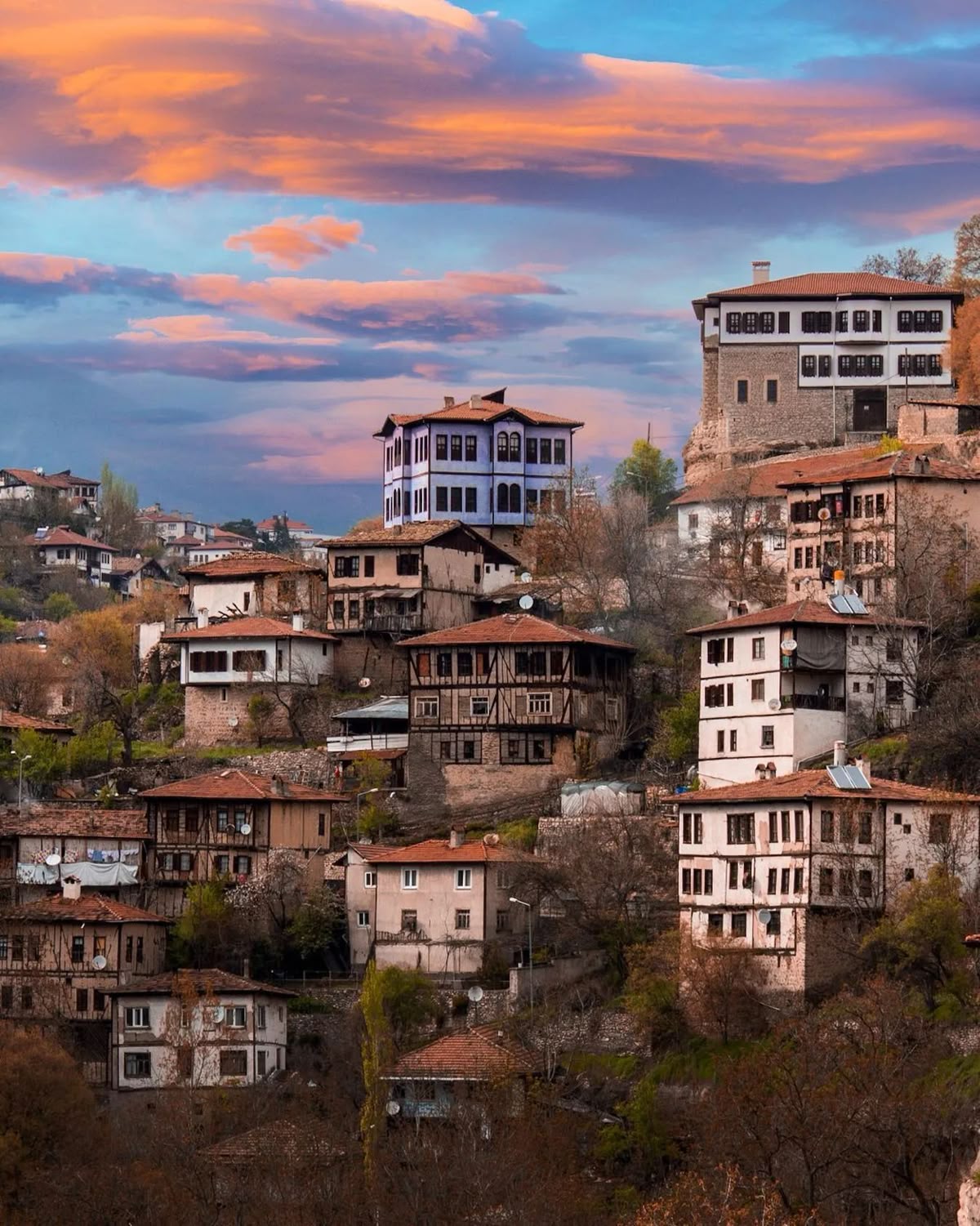
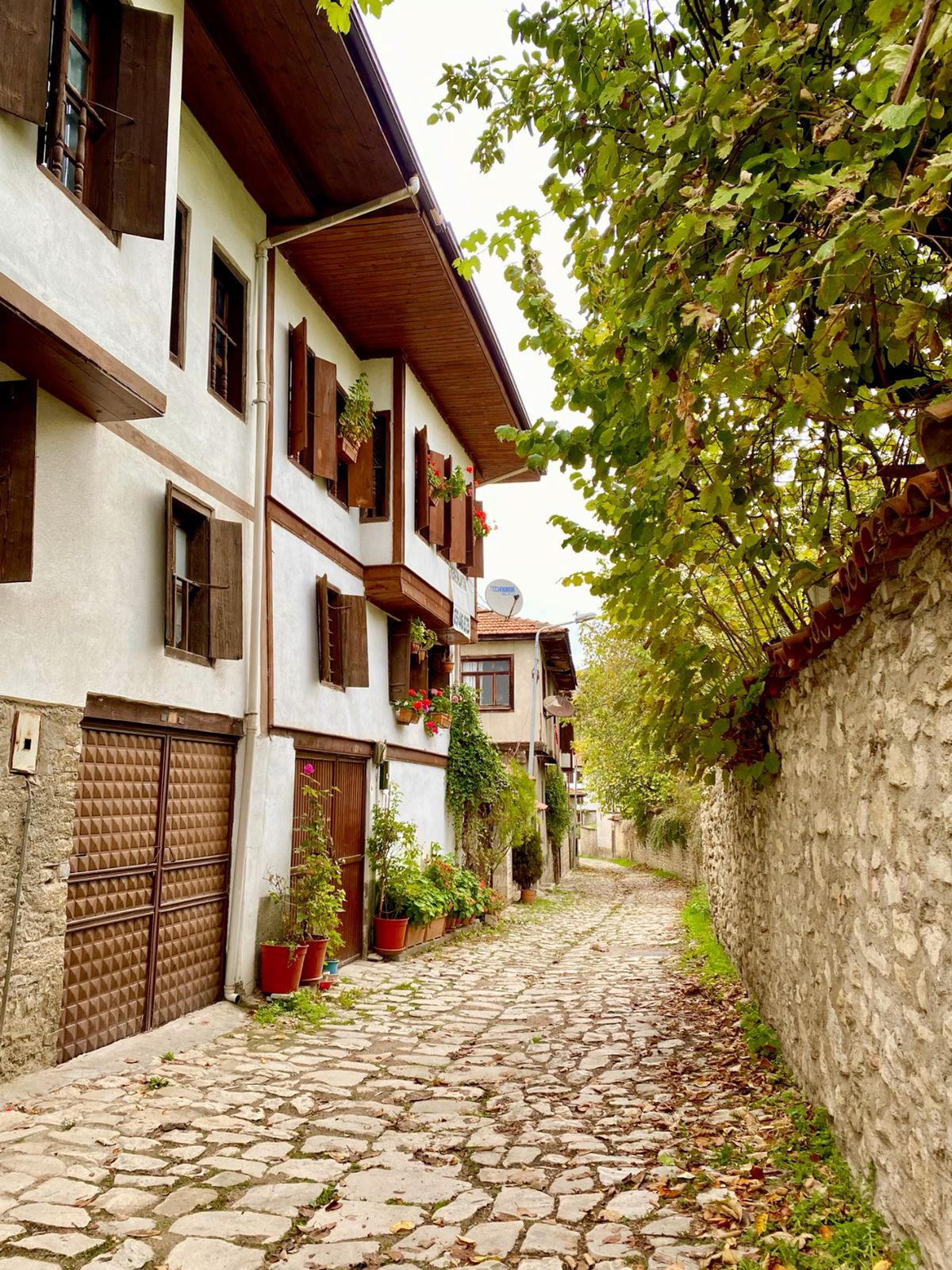
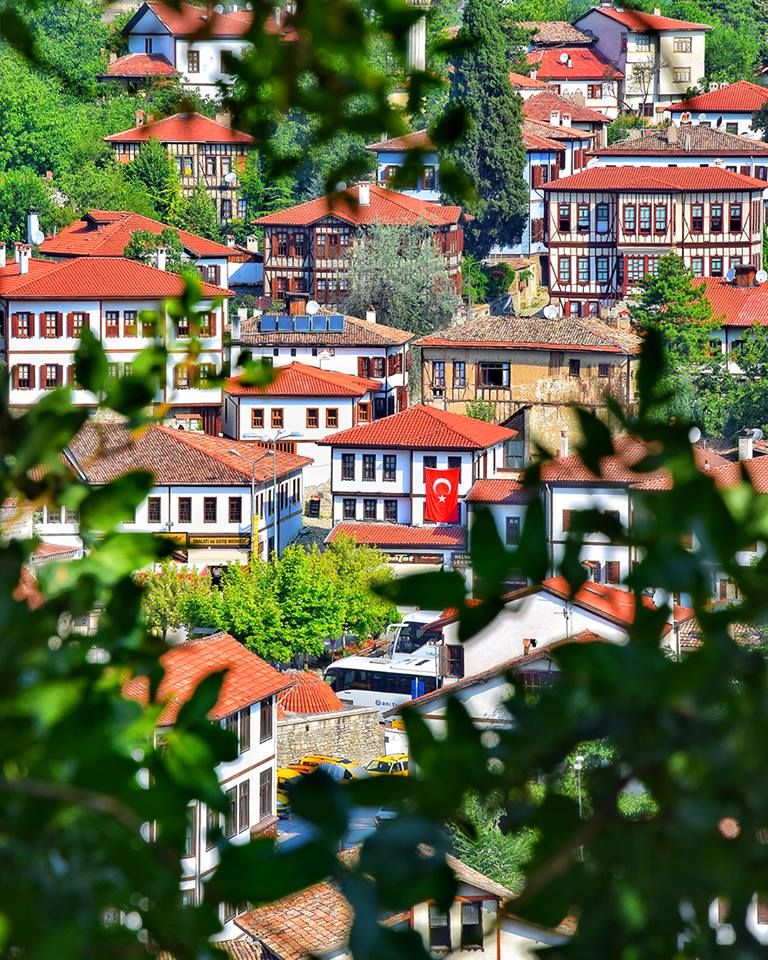
“The wind brushes past Ottoman red tiles and whitewashed walls,Time turns its head in these winding streets,
While history whispers softly behind wooden doors.”
City Introduction:
Safranbolu is located in the western part of Turkey’s Black Sea region. It was once an important stop along the Silk Road during the Ottoman Empire and is renowned for possessing the best-preserved cluster of Ottoman-era residential houses. The city has been inscribed on the UNESCO World Cultural Heritage List. Its name derives from “saffron” (safran), a precious spice once abundantly cultivated in the surrounding valleys and regarded as the “flower of nobility.” Today, saffron is not only the symbol of the city but is also deeply embedded in its architecture, desserts, and festivals, shaping Safranbolu into a “living historical museum” where fragrance and culture intertwine.
Top Attractions:
Ottoman Old Town
The city preserves more than 800 Ottoman-era houses, most of which were built in the 18th–19th centuries. These residences feature traditional wooden frameworks, white walls with red-tiled roofs, and inner courtyards equipped with wells and hearths. Originally home to silk merchants and artisans, these mansions reflect the refinement and dignity of Ottoman family life.
📖 Local legend: It is said that every courtyard conceals a “Family Blessing Stone,” engraved with auspicious verses or prayers to protect future generations with peace and prosperity. It is the most representative example. Its interior layout, kitchen utensils, and the separation of male and female quarters remain intact, making it an important reference for studying Ottoman family structure.
Cinci Han & Cinci Hamam
Built in the 17th century by a wealthy merchant named Cinci Hoca, this complex was one of the most important transit stations connecting Ankara and Istanbul. It included guest rooms, stables, baths, a mosque, and kitchens, capable of accommodating hundreds of travelers.
📖 Legend has it that the word “Cinci” means “exorcist.” As a child, this merchant was said to have been possessed by a spirit, only to recover miraculously and later become immensely wealthy. People believe that the baths he built can cleanse both worldly dust and spiritual darkness, and visitors can still experience traditional Ottoman-style bath rituals today.
Yeni Mosque & Clock Tower
Built in the 18th century, the mosque is surrounded by traditional bazaars and carpenter workshops. The clock tower stands as one of the city’s watchful landmarks. According to legend, it was constructed after the local governor dreamed of the “God of Time,” who appeared to remind people not to forget their prayer hours. The tower features square clock faces on all four sides, and its chimes echo through the valley each day, earning it the title of Safranbolu’s “Voice of Time.”
Saffron Gardens & the Spice Route (Safran Bahçesi)
Autumn (October–November) marks the blooming season of saffron. Delicate purple flowers scatter across the valleys, and from each blossom, three red stigmas are harvested as the precious spice. In ancient times, the “Saffron Route” served as a vital passage for spice merchants traveling from the Black Sea to the Middle East. Today, visitors can experience saffron picking, drying, and saffron tea preparation at local farms, as well as taste specialty desserts infused with saffron.