Where the Shadow of Mount Ararat
Meets the Legends of an Eastern Kingdom
Beneath the vast silhouette of Mount Ararat, Dogubeyazit unfolds as a frontier town shaped by myths, mountain winds, and the lingering grandeur of an Eastern palace. Tucked against Türkiye’s easternmost border with Iran, this remote highland settlement offers a landscape where epic tales, sacred traditions, and architectural marvels converge.
City Introduction:
Dogubeyazit lies at the far edge of Türkiye on the rugged plateaus that lead toward Iran, with the towering mass of Mount Ararat dominating its horizon. Within this stark and beautiful setting, stories of Noah’s Ark mingle with the region’s multicultural heritage. The town’s character is defined not only by its strategic location but also by its profound association with timeless legends and the iconic Ishak Pasha Palace.
Top Attractions:
Ishak Pasha Palace
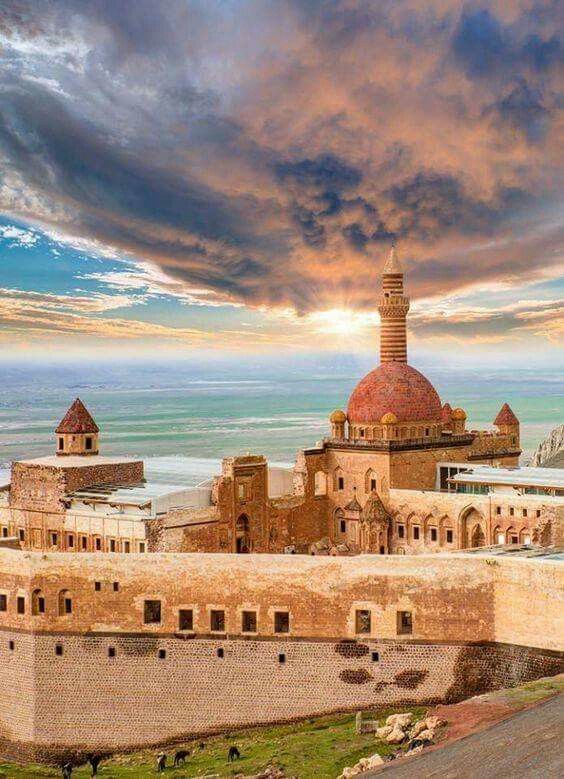
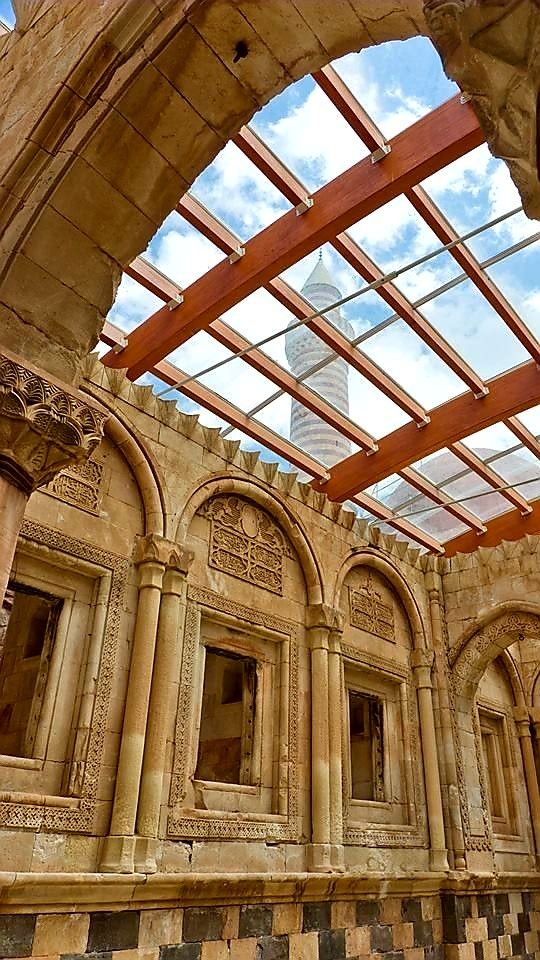
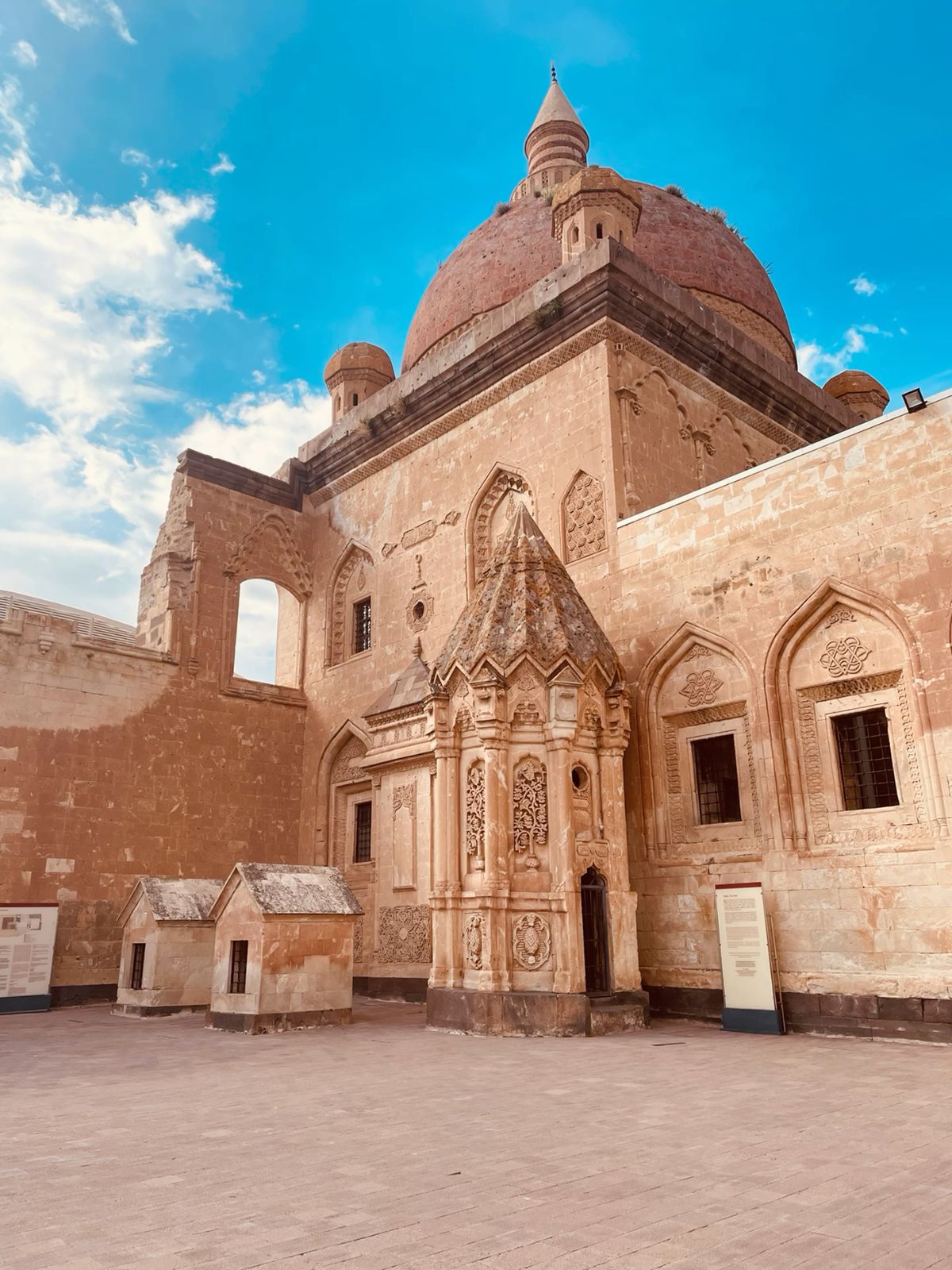
Perched dramatically atop a barren ridge overlooking the valley, the 18th-century Ishak Pasha Palace is often regarded as Türkiye’s most enchanting Oriental palace. Its architecture masterfully blends Ottoman, Persian, Armenian, and Seljuk influences, creating a structure that appears lifted from the pages of One Thousand and One Nights.
The palace complex once functioned as a fully self-sufficient citadel, with its own mosque, prison, kitchens, royal quarters, and an early geothermal heating system that demonstrated impressive engineering for its time. As evening approaches, the sandstone walls turn a glowing shade of amber and crimson—an unforgettable sight for both photographers and lovers of history.
Mount Ararat
Rising to 5,137 meters, Mount Ararat is Türkiye’s highest peak and the legendary resting place of Noah’s Ark. Although climbing the mountain requires special permits, simply witnessing its snow-capped summit from Dogubeyazit is a moving experience. Standing alone in the middle of the vast plains, Ararat’s ever-changing cloak of clouds has earned it the evocative title of the Sacred Mountain.
Noah’s Ark Site
Around half an hour’s drive from the town lies a natural geological formation that some believe to be the petrified imprint of Noah’s Ark. While its authenticity remains debated, the boat-shaped outline and the atmospheric, windswept landscape continue to inspire explorers, scholars, and the simply curious.