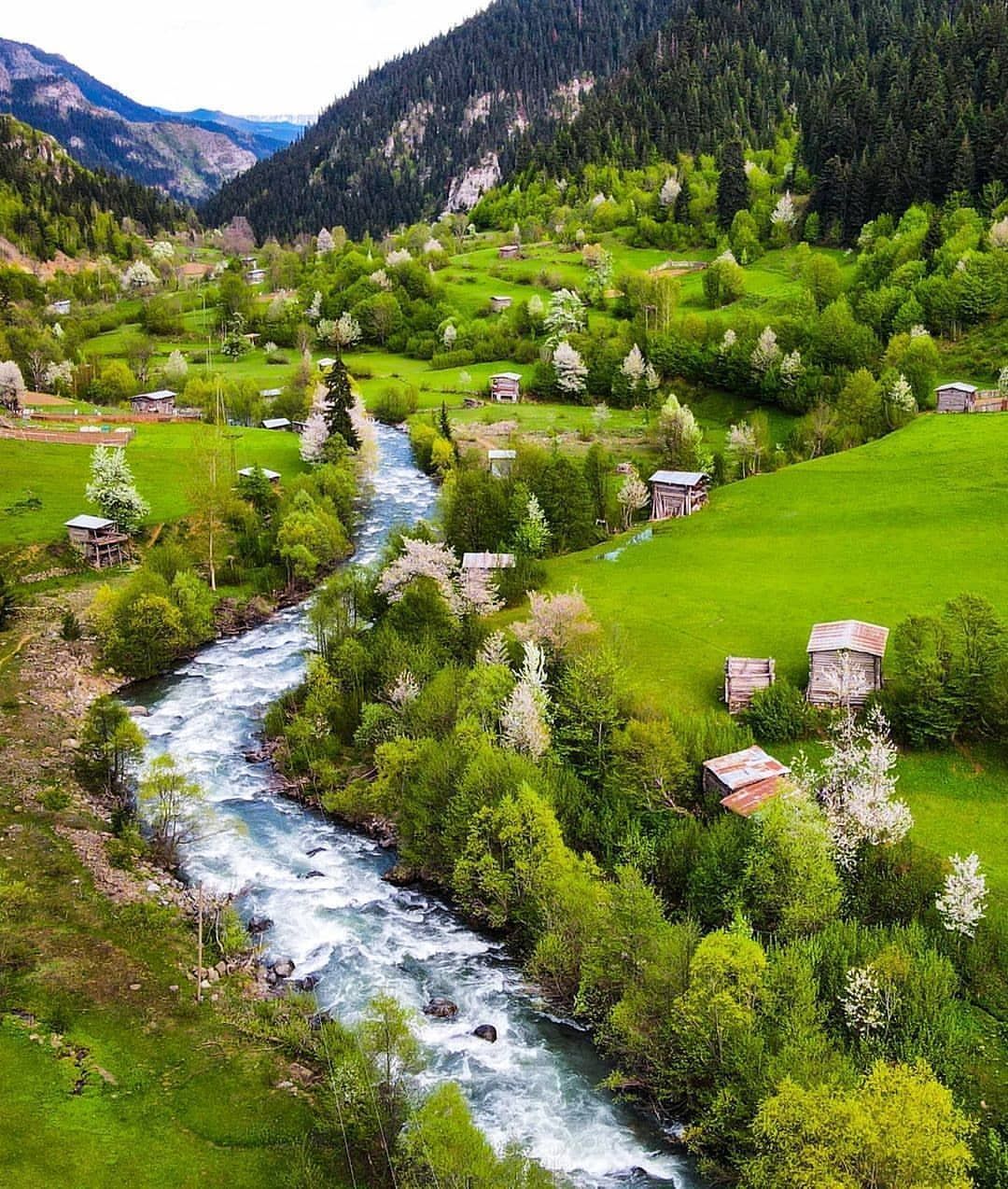
“Morning mist gently brushes the valleys;
pine forests and rivers shimmer with silvery light under the sun,
as if an illustration from an ancient fairy tale has fallen into the embrace of the Caucasus.”
City Introduction:
Artvin is located in northeastern Turkey, near the Georgian border, where the regions of Kars and the Black Sea mountains converge. Surrounded by rugged peaks, with rivers winding through the town, its hillsides are dotted with wooden houses and traditional timber bridges, earning it the nickname “the Little Switzerland of the Caucasus.”
With a long and layered history, Artvin once served as an important trading and defensive outpost on the Ottoman frontier and a meeting point for diverse ethnic and cultural communities. At the city center stands a monumental Atatürk Statue, symbolizing the spirit of modern Turkey, forming a striking contrast with the tranquil mountain scenery around it. Whether strolling through the quiet streets or gazing toward the border mountains along winding roads, visitors can deeply feel the unique charm created by the interplay of highlands and river valleys, serenity and history.
Top Attractions:
🌄 Karagöl Valley & Surrounding Valleys
The valleys around Artvin are postcard-perfect, scattered with lakes and streams—lush green in summer and blanketed in silver-white snow in winter. Visitors can walk across wooden bridges or hike mountain trails, enjoying waterfalls, pine forests, and snow-capped peaks in the distance. Each season offers its own beauty, making this area a paradise for photographers. Morning mist, midday sunlight, and golden-hour valleys create ever-changing light and shadow that captivate the eye.
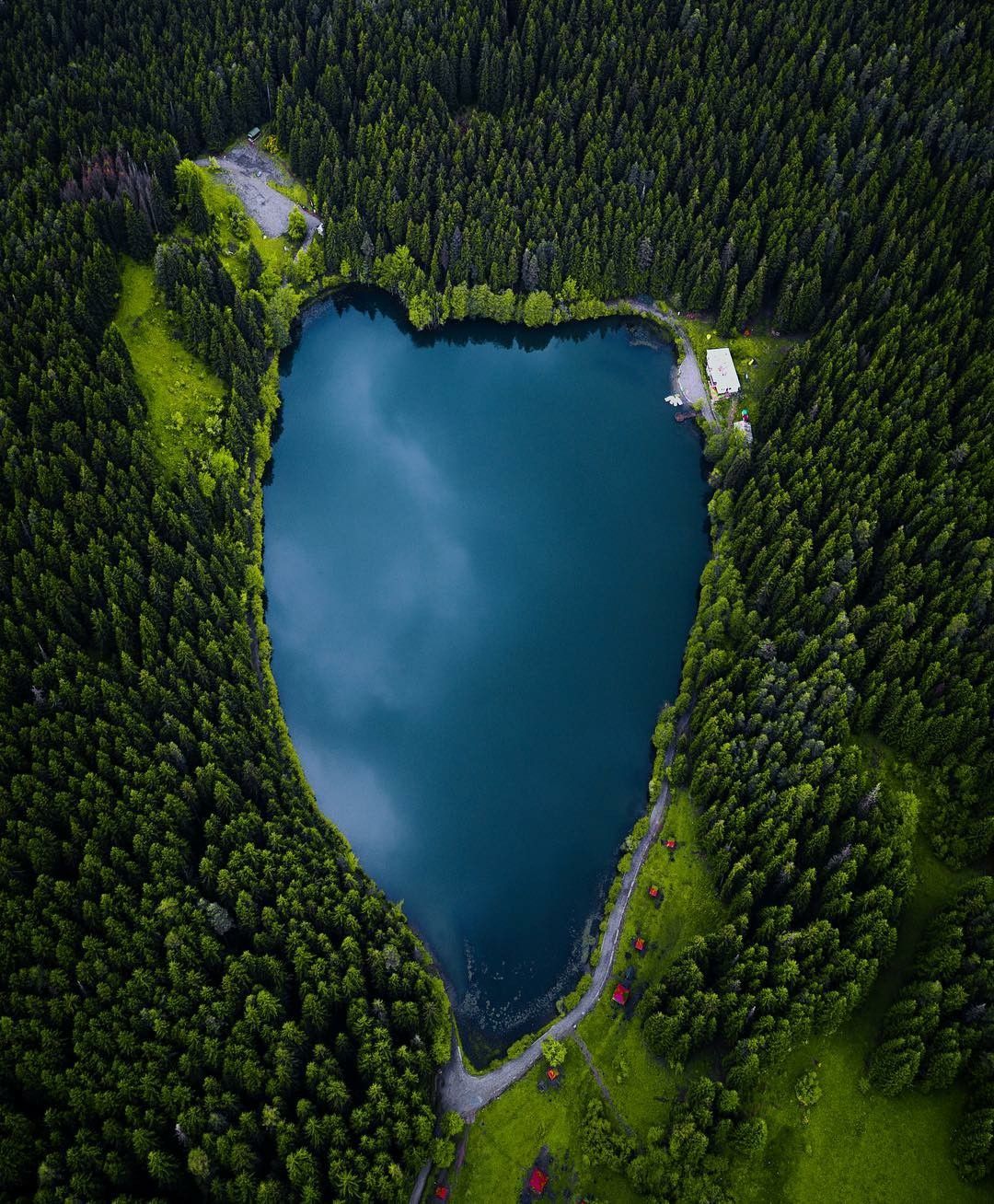
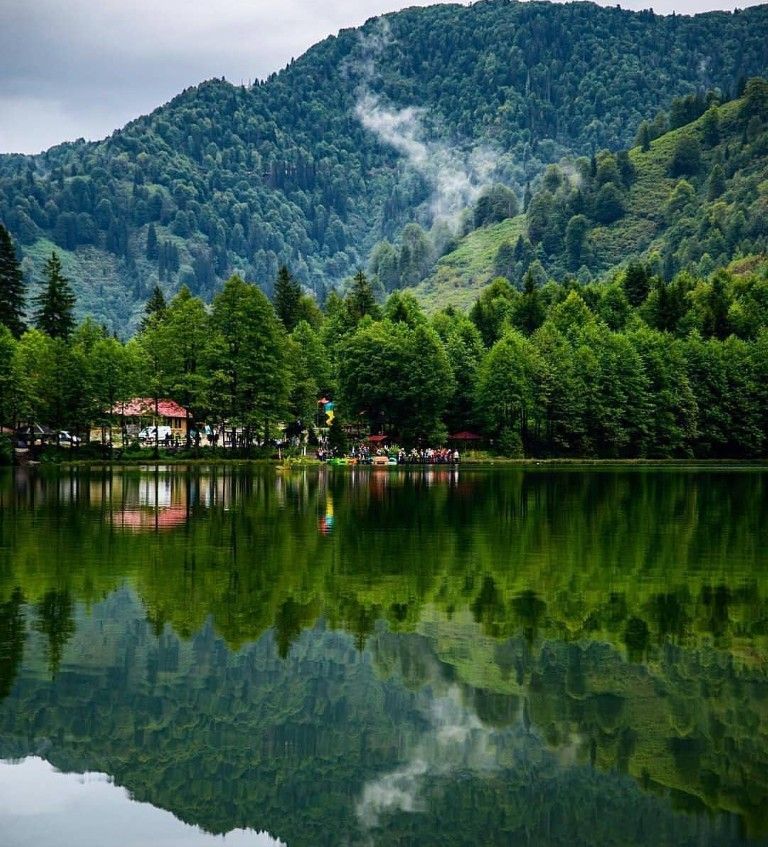
Nestled deep within the Artvin mountains, Karagöl Valley feels like a forgotten emerald hidden by nature. The lake’s surface mirrors the sky, often veiled in soft morning fog, with tiny islands and surrounding pine forests appearing and disappearing like scenes from a fairy tale coming to life. In summer, wildflowers bloom, butterflies flutter, and green meadows spread along the lakeshore while herds of cattle graze peacefully in the distance. In autumn, layers of gold and deep crimson transform the valley into a vivid oil painting.
The most magical moments are at dawn and dusk. At sunrise, the first rays of light pierce the mist, creating a gentle glow across the lake that reflects mountains and trees, so still it feels as if time itself has paused. At sunset, the water shimmers in hues of gold and purple, and the valley turns into a secret realm from a storybook castle. Walking here feels like stepping into an open fairy tale, every step filled with poetry and wonder.
Beyond quietly admiring the scenery, visitors can picnic by the lake, hike the circular trail around it, or venture deeper into the surrounding valleys. Winding forest paths lead into a dreamlike world of birdsong, flowing streams, and hidden waterfalls.
Local legends say Karagöl Valley is not an ordinary place, but a sacred land once inhabited by spirits and fairies. Long ago, it is said, the valley was a vast meadow where moonlight would descend at night, summoning forest spirits to dance. Draped in silver veils, they lightly touched the earth, causing flowers to bloom and springs to sing wherever they stepped.
According to the legend, the lake itself was born from such magic. A young shepherd once lost his way in the valley and witnessed the spirits dancing under the moonlight. He fell in love at first sight, and the spirits were moved by his kindness. Yet a love between human and spirit could not be fulfilled. To preserve their memory, the spirit transformed into the clear lake, while the shepherd became the pine tree by its shore, watching over it forever. Thus Karagöl was formed—lake and forest bound together, radiating an ethereal presence. Even today, locals believe that on summer nights, if one stands quietly by the lake under moonlight, faint singing and laughter can be heard from the forest; and in the misty mornings, the flickering lights on the water are the lingering dance steps of the spirits.
🗽 Atatürk Monument (City Center)
At the heart of Artvin stands the imposing Atatürk Monument, one of the city’s most iconic landmarks. Rising approximately six meters high, the monument combines solid granite with bronze sculpture, depicting Atatürk with a resolute gaze and confident posture—symbols of independence, reform, and freedom in modern Turkey.
The pedestal is engraved with slogans from the Turkish War of Independence and stories from Artvin’s local history, seamlessly blending national memory with regional identity. The surrounding square is spacious, lined with neatly planted pine trees, and stone-paved paths guide visitors through the area. In the morning, mist envelops the statue as sunlight filters through pine needles, casting a warm glow on the bronze surface. At sunset, the monument and valley are silhouetted against the sky, dramatically contrasted with distant snow-covered peaks, like a living painting.
From the steps around the monument, visitors can overlook the entire town—scattered wooden rooftops, winding rivers, and mountains encircling the valley. Locals often gather here to walk, take photos, and let children play. During festivals and commemorative events, the monument becomes the center of celebrations, with folk performances and equestrian shows bringing history and contemporary life together in a vivid scene.
🌉 Historic Wooden Bridges & Mountain Trails
Artvin is famous for its historic wooden bridges, such as Çifte Köprü, spanning clear mountain streams where water flows gently beneath. Lush greenery surrounds the bridges, blending harmoniously with the mountainous landscape. Riverside paths are ideal for walking and cycling, offering a sense of tranquility and closeness to nature. Some trails extend toward the border mountains, where visitors can gaze across valleys toward Georgia, experiencing the grandeur of cross-border highland scenery.