“The bells and calls of ancient Antioch still echo in the air,
where saints and prophets once left their eternal footprints.”
City Introduction:
Antakya, historically known as Antioch, is located in Hatay Province in southern Turkey and was one of the most renowned cities of the ancient world. Founded around 300 BCE by the Seleucid Empire, it was celebrated as the “Rome of the East” and is widely regarded as one of the birthplaces of Christianity.
Situated along the corridor between the Mediterranean and Mesopotamia, Antakya was a key hub on the Silk Road and the Spice Route. For over a millennium, Greek, Roman, Jewish, Arab, and Ottoman civilizations converged here, creating a city defined by religious diversity and cultural vitality. Even today, Christians, Muslims, and Jews continue to coexist, making Antakya a true “city of shared civilizations.”
Top Attractions:
⛪ Church of St. Peter
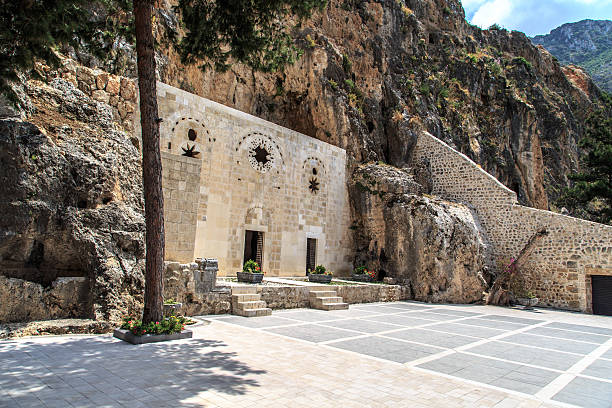
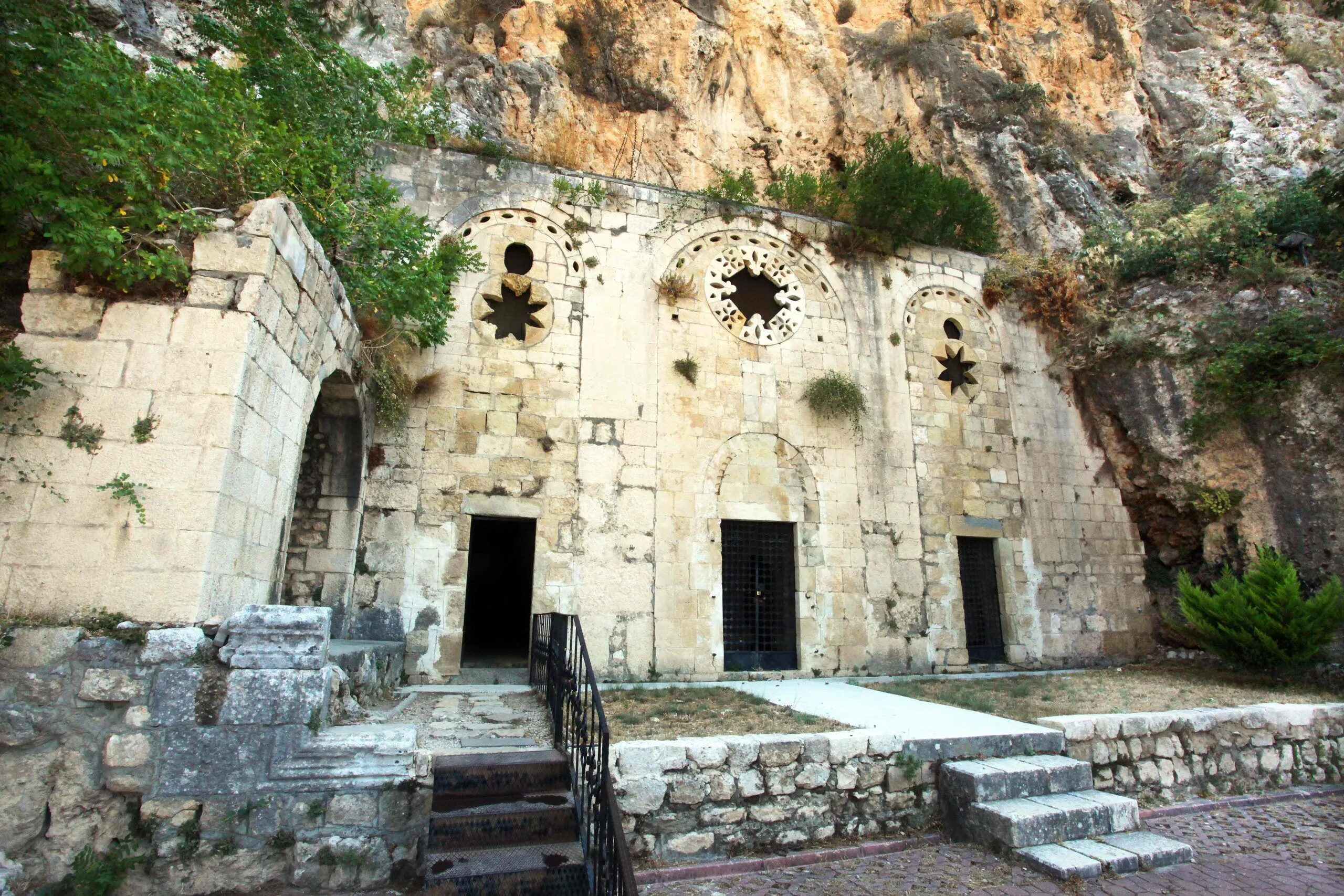
Considered one of the oldest Christian churches in the world, this cave church is believed to have been carved by Saint Peter himself. Built directly into a mountainside, its interior is a natural grotto with remnants of early Byzantine mosaics and frescoes.
In the 1st century CE, Saint Peter preached here and is regarded as the founder of the Church of Antioch. Pilgrims still visit the church to pray at its altar. In 1999, the Vatican officially recognized it as a holy pilgrimage site.
🏛 Hatay Archaeology Museum
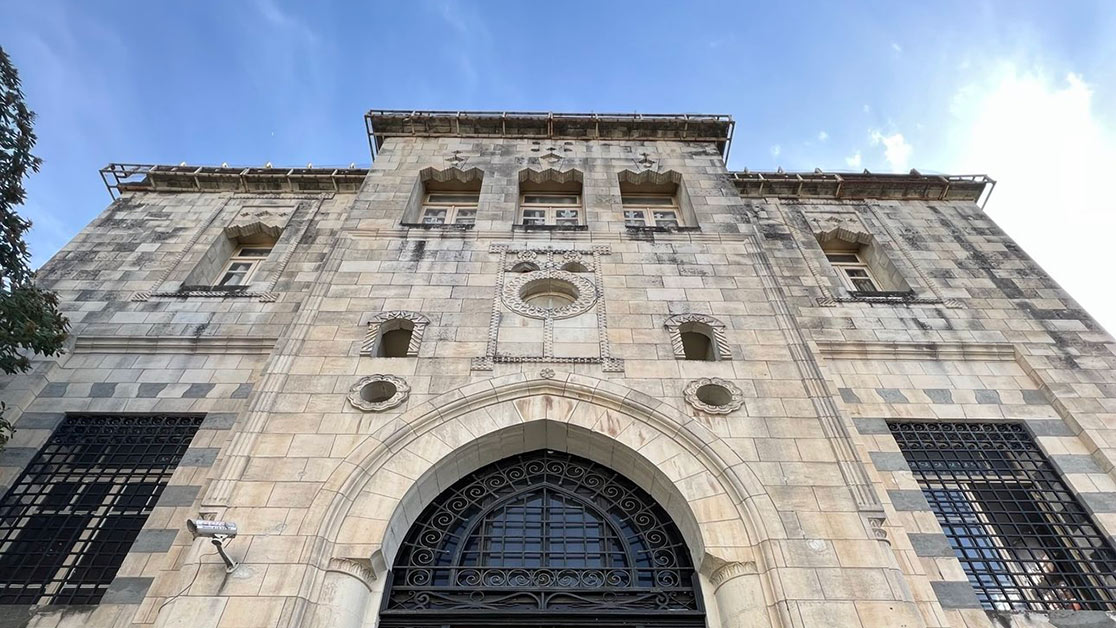
Home to one of the world’s richest collections of Roman and Byzantine mosaics, the museum’s exhibits span from the Neolithic period through Ancient Greek, Roman, and Islamic eras.
Highlights include the “Philosophers Mosaic Wall,” scenes depicting the myth of Orpheus and Eurydice, and the famous Laughing Skeleton Mosaic, often dubbed the ancient world’s version of “YOLO – You Only Live Once.”
🏺 Ancient City of Antioch
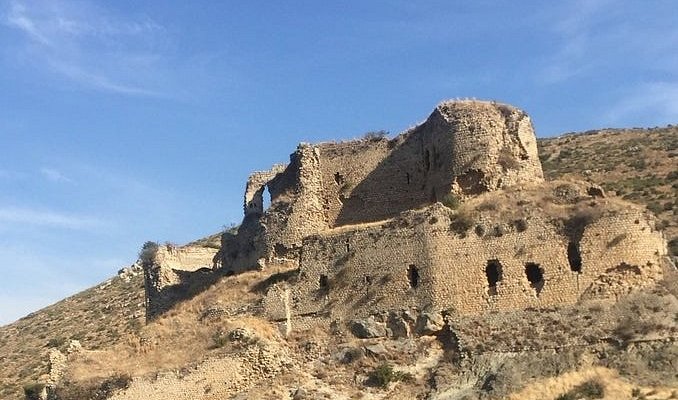
Although much of ancient Antioch lies beneath the modern city, sections of city walls, streets, baths, and theaters remain visible. Archaeologists estimate that the city once had a population exceeding 400,000, making it the third-largest city of the Roman Empire after Rome and Alexandria.
Legend tells that Emperor Tiberius commissioned the “Street of Paradise,” a grand avenue linking palaces, markets, and churches, lined with cedar trees and roses.
🕌 Habib-i Neccar Mosque
One of the oldest mosques in Turkey, built in the 7th century on the site of an earlier Christian church. The structure still features Byzantine-style domes alongside Arabic inscriptions.
According to Islamic tradition, this site is associated with the “City of the Three Messengers” mentioned in the Quran. The mosque houses the tomb of Habib-i Neccar, a revered follower of the prophets.
🏘 Antakya Old Town
A maze of narrow stone-paved streets lined with Ottoman-era houses and vaulted bazaars, many now transformed into bookstores, artisan shops, and traditional dessert cafés.
Here, mosque minarets and church bell towers rise side by side, creating one of Antakya’s most enchanting scenes. At night, lights reflect off the river and ancient bridges, casting a poetic glow over the city.