A forested realm guarded by mountain spirits,
A hidden sanctuary where every season is a living painting.
City Introduction:
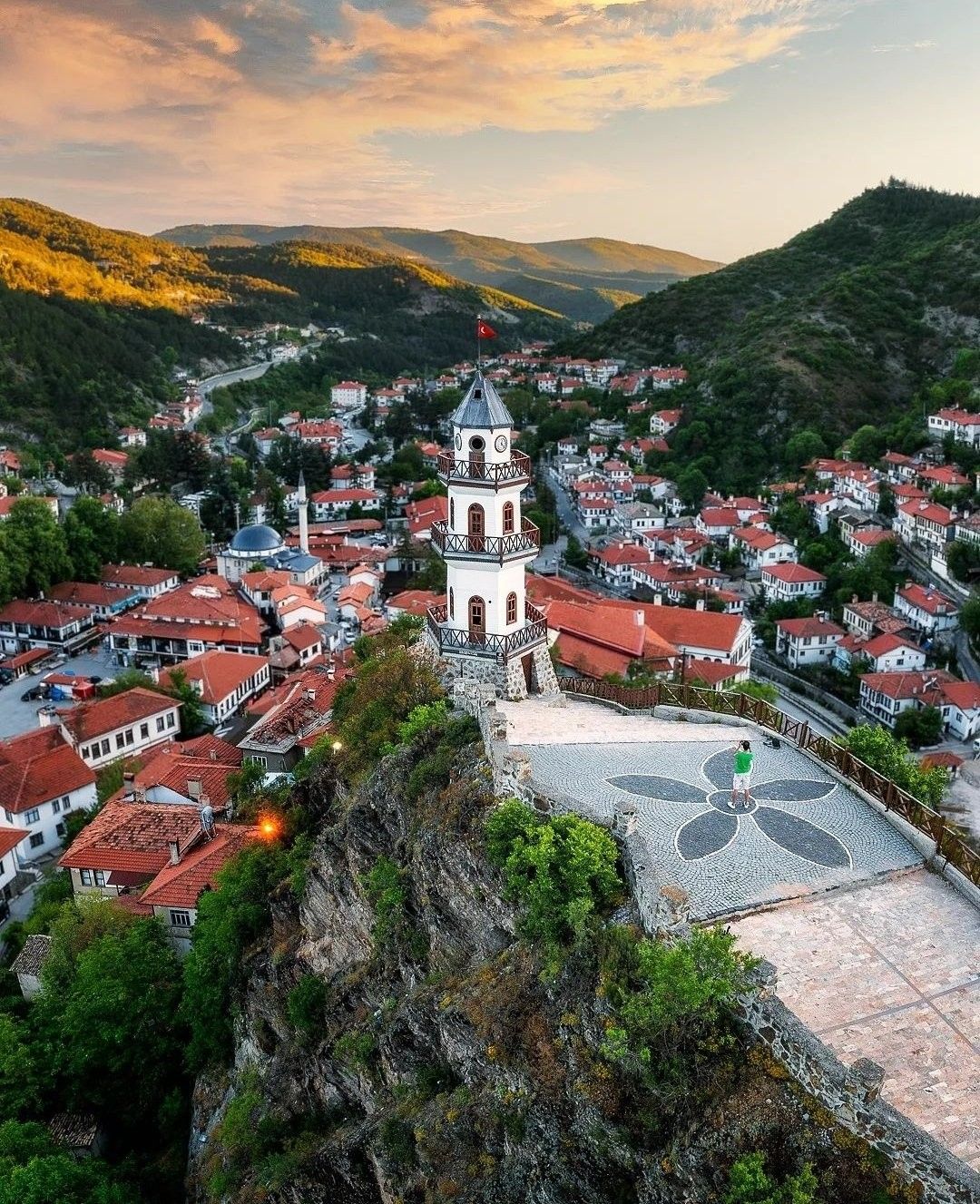
Bolu is a lush mountain city in northern Turkey, strategically located between Istanbul and Ankara. Its history dates back to the 7th century BC, when it was part of the ancient Kingdom of Bithynia. Over time, it passed through Roman, Byzantine, and Ottoman rule, becoming an important crossroads for trade, religious tradition, and thermal healing.
Renowned for its alpine lakes, ancient hot springs, deep forested valleys, and legendary cuisine, Bolu represents a rare harmony between nature and culture. The region has nurtured poets, Sufi scholars, and master chefs, and local folklore reveres it as “the dwelling place of forest spirits.” Here, every quiet valley seems to whisper a story passed down through centuries.
Top Attractions:
Abant Lake
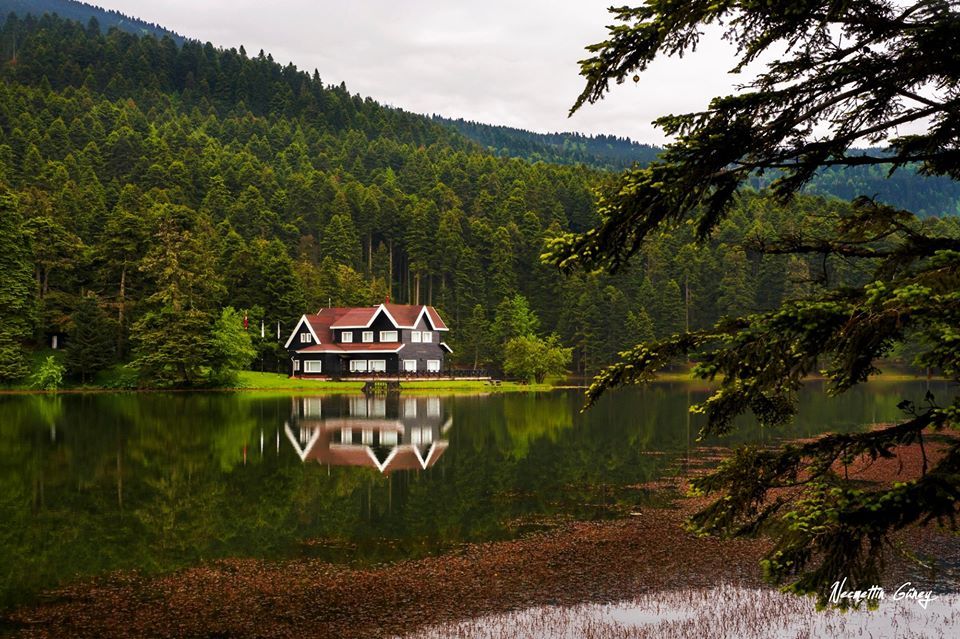
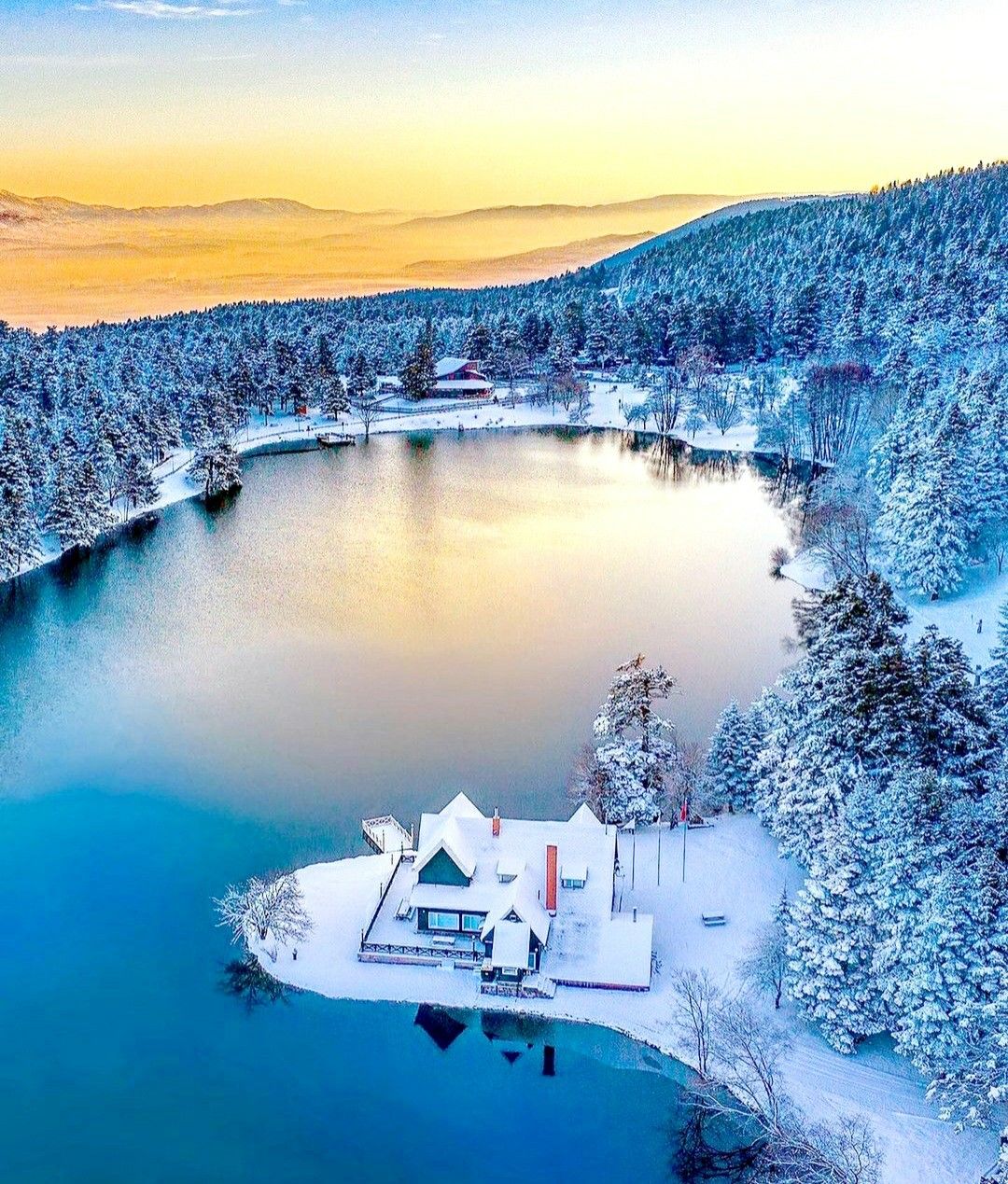
Situated at an elevation of 1,328 meters, Abant Lake is a highland jewel celebrated for its beauty in every season—spring blossoms, misty summer mornings, fiery autumn foliage, and snow-covered winter serenity, together forming a landscape worthy of an oil painting.
Surrounded by pine forests, the lake features wooden walking trails, horseback paths, and nearby thermal hotels, making it one of Turkey’s most beloved weekend retreats.
📖 Local legend tells that the lake was formed from the tears of Abant, the mountain spirit, who sealed himself within the mountains to save his beloved. On moonlit nights, his reflection is said to appear upon the water. Couples often make wishes by the lakeside—if their reflections appear clearly, their love is believed to be as calm and enduring as the lake itself.
Yedigöller National Park (Seven Lakes National Park)
Formed by ancient glacial movements, the Seven Lakes are a series of interconnected alpine pools scattered among dense forests and rolling ridges. The park boasts rich biodiversity and sharply defined seasons, making it a paradise for photography, hiking, birdwatching, and camping.
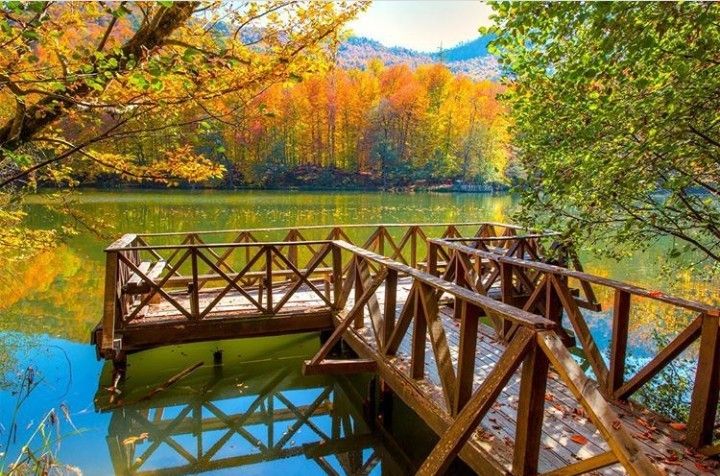
In spring and summer, Sufi practitioners are said to retreat here for three-day silent meditations, seeking unity with nature’s rhythm. In autumn, when the forests blaze with color, Yedigöller becomes one of Turkey’s most photographed landscapes—often referred to as “Turkey’s Maple Valley.”
Ancient City of Bithynion–Claudiopolis
Once a major city of the Bithynian Kingdom, later renamed Claudiopolis by Roman Emperor Claudius I, this ancient settlement lies partially buried beneath modern Bolu. Remnants of Roman theatres, bath complexes, and commemorative columns still emerge from the earth, offering glimpses into the city’s layered past.
📖 According to legend, a temple dedicated to the forest goddess Diana once stood here. Priests were required to reach it by walking a “Path of Moonlight” through the forest in absolute silence—any sound was believed to signify a betrayal of nature’s spirit.
Karacasu Thermal Springs
In use since Roman times, these thermal springs maintain a steady temperature of 42–44°C and are rich in sulfur, calcium, and magnesium. The waters are traditionally believed to relieve rheumatism, skin conditions, and nervous fatigue.
During the Ottoman era, sultans ordered the construction of a royal healing complex, complete with resident court physicians, making Karacasu a favored retreat for nobles and statesmen. Today, well-preserved historic bath structures coexist with modern spa hotels, offering both comfort and a tangible sense of history.