“The Golden King’s treasure, the oracle canyon, and a Macedonian stone city veiled in mist —
Uşak is the echo of a sleeping empire.”
City Introduction:
Uşak lies at the crossroads of the Aegean region and inner Anatolia, a land where Eastern and Western civilizations have intersected for centuries. In antiquity, it stood on the frontier of the Lydian Kingdom, positioned along the vital trade route connecting Sardis and Philatai.
During the Ottoman era, Uşak became renowned for its carpets and gold craftsmanship, earning a place as a cultural jewel along the Silk Road. Today, the city quietly preserves legends of golden treasures, sacred canyons, and forgotten Macedonian ruins — waiting for travelers to listen to its silent stories.
Top Attractions:
Croesus’ Golden Treasure — Uşak Archaeology Museum
The museum is internationally known for housing the famed Croesus Treasure, a collection of gold ornaments and ritual objects dating back to the 7th century BCE Lydian Kingdom. The treasure is believed to have belonged to the legendary “richest man in the ancient world,” Croesus, ruler of Sardis.
Croesus’ immense wealth astonished the ancient world. According to legend, he consulted the Oracle of Delphi about waging war against Persia and received the ambiguous prophecy: “If you go to war, you will destroy a great empire.” He did — but it was his own.
The treasure was smuggled to the United States in the 1960s and later repatriated after a lengthy international legal battle, becoming a landmark case in cultural heritage protection.
Among its most iconic pieces is the Golden Leopard Brooch, symbolizing aristocratic power and the extraordinary artistry of Lydian goldsmiths.
The Land of Oracles — Ulubey Canyon
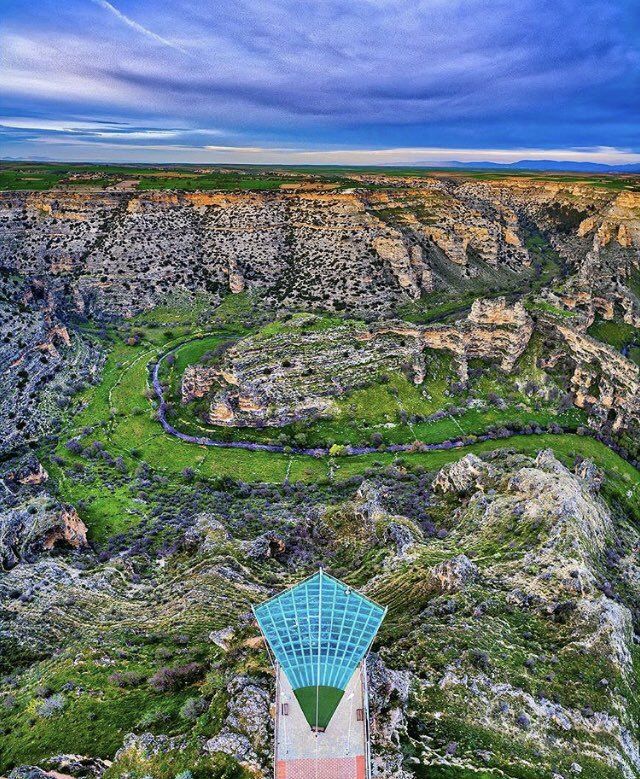
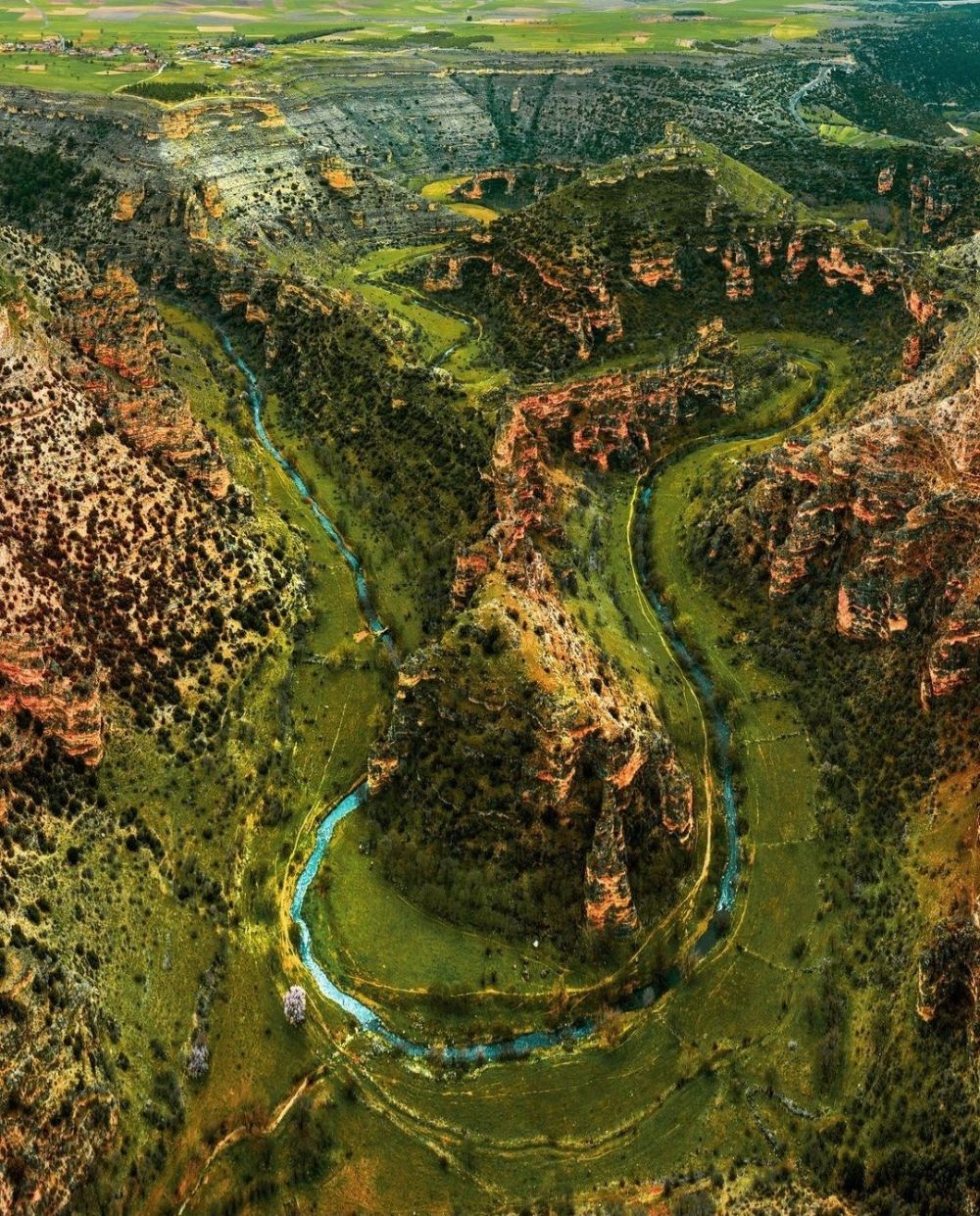
Stretching approximately 77 kilometers and plunging over 400 meters deep, Ulubey Canyon is considered the second-longest canyon in the world and one of Anatolia’s most dramatic natural wonders.
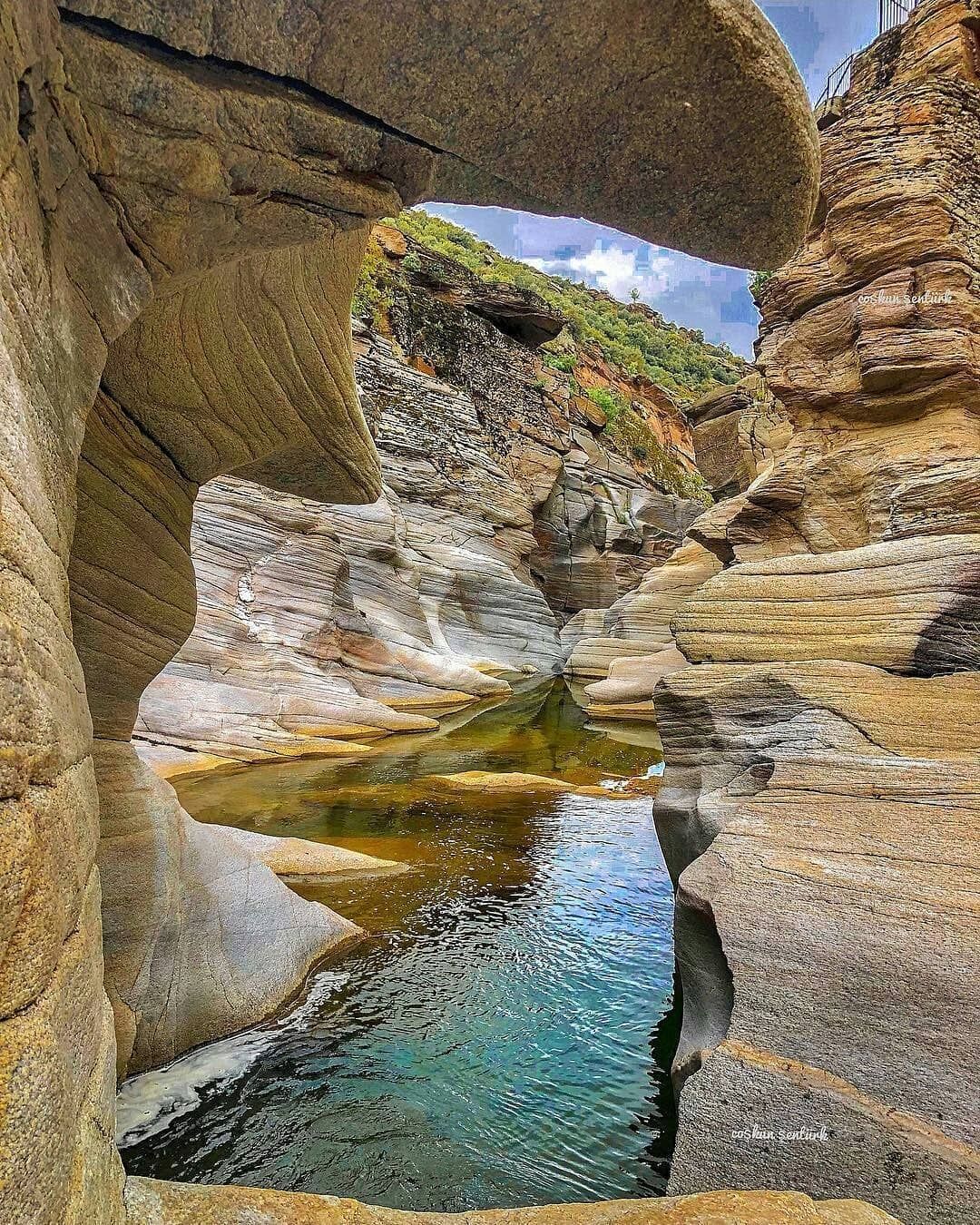
Formed by tectonic fractures and erosion, the canyon features layered rock faces, year-round streams, and cliffside vegetation. It is a paradise for photographers, hikers, and paragliders.
Local legend tells of ancient priestesses who interpreted divine messages from caves within the canyon. Visitors seeking guidance were said to burn incense near the rock fissures to receive oracles. One cliff is known as the “Stone of Regret,” where a defeated general allegedly leapt to his death; mist often lingers there, as if his spirit never departed.
Today, a glass observation terrace extends over the cliff’s edge — walking across it feels like stepping into the void, offering a breathtaking “dream above the ages.”
The Forgotten City of Wind — Blaundus Ancient City
Founded in 334 BCE after Alexander the Great defeated Persia, Blaundus was established as a Macedonian colonial settlement. Its name is often interpreted as “People of the Wind,” reflecting its elevated terrain where strong winds blow year-round.
Ruins of gates, temples, a stadium, necropolis, and a circular theater still stand. Many temples were built atop rocky pillars, merging sky, wind, and worship — a reflection of the Greco-Eastern spiritual blend of the era.
A widely told legend recounts that Macedonian soldiers heard the whisper of a goddess named “Poseidonia” near the canyon’s edge, warning them not to disturb the mountain spirits or the city would be destroyed by wind. A century later, floods and earthquakes buried much of the settlement, leaving only scattered columns and broken walls.
Today, Blaundus remains remote and tranquil — wild grass growing among ancient stones — an ideal place for reflection, distant horizons, and sunset photography.