“The Green Pearl of the Silk Road,
the cradle of the Ottoman Empire.”
City Introduction:
Bursa is located in northwestern Türkiye at the foot of Mount Uludağ and was the first capital of the Ottoman Empire (1326–1365). It also served as a key hub along the Silk Road in Türkiye. Thanks to its mild climate and fertile land, Bursa has long been an economic and cultural center of Anatolia. The city is renowned for its silk production and thermal baths and is often referred to as the “Green City” due to its abundance of gardens, parks, and lush forests.
Top Attractions:
Ulu Cami (Grand Mosque)
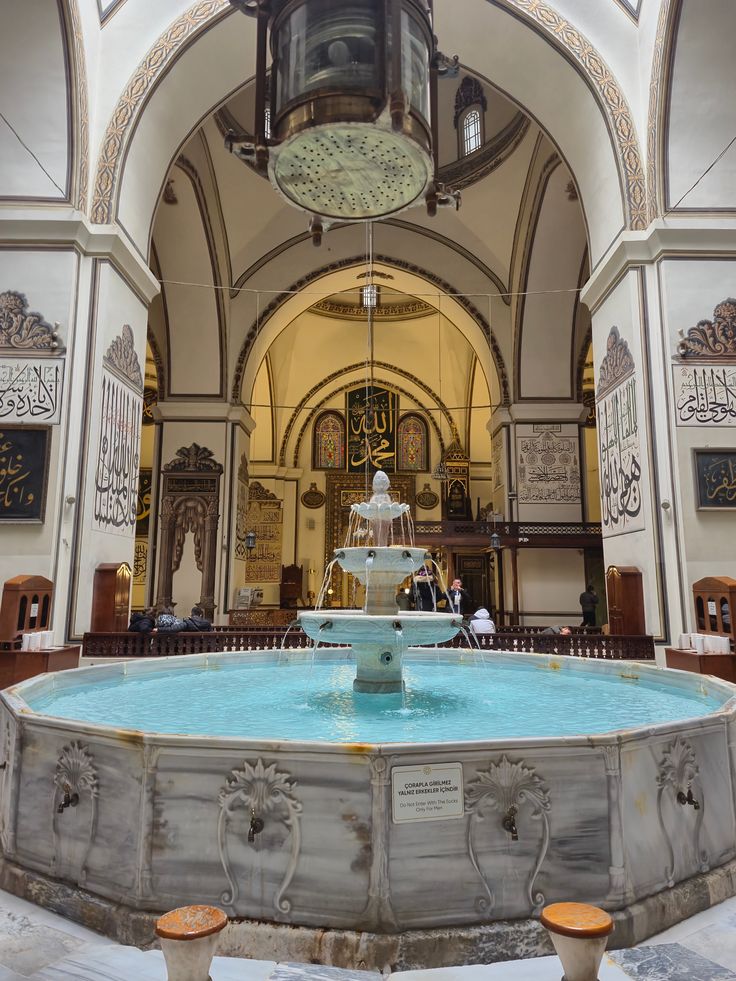
Built in the 14th century under the order of Ottoman Sultan Yıldırım Bayezid, Ulu Cami is a representative example of early Ottoman multi-domed mosque architecture. The interior features 20 domes and exquisite Arabic calligraphy panels and is considered a treasure of Anatolian calligraphic art.
📖 Legend: It is said that before the Battle of Nicopolis, the Sultan vowed to build 20 mosques if he were victorious. After winning the battle, constrained by time and resources, he fulfilled his vow by constructing a single mosque with 20 domes.
Koza Han (Bursa Silk Market)
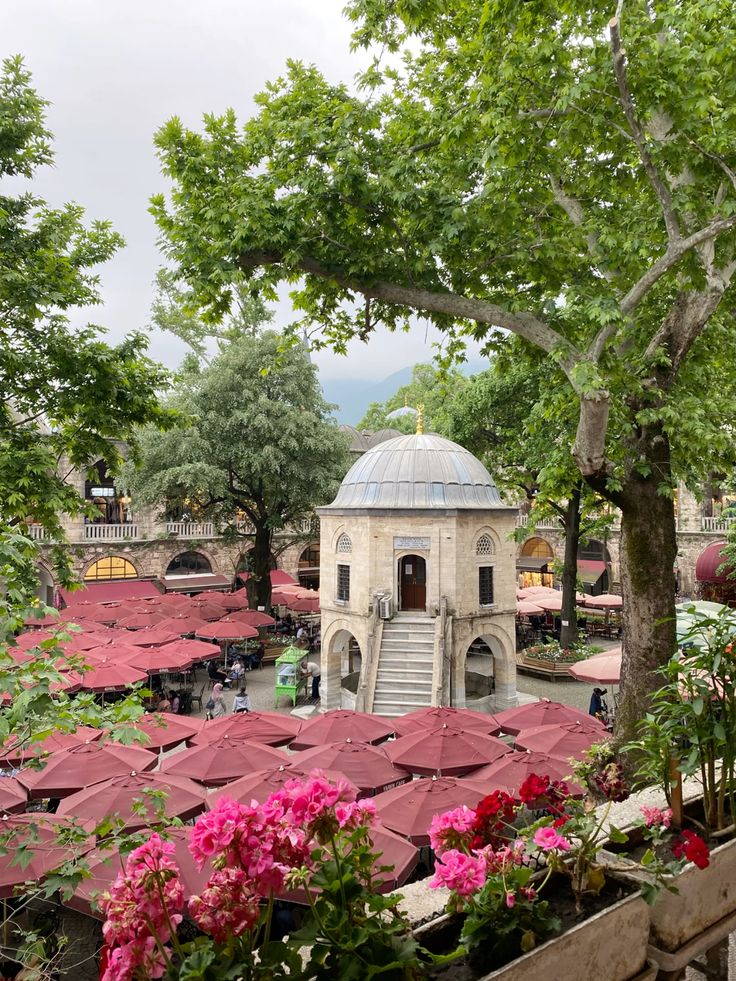
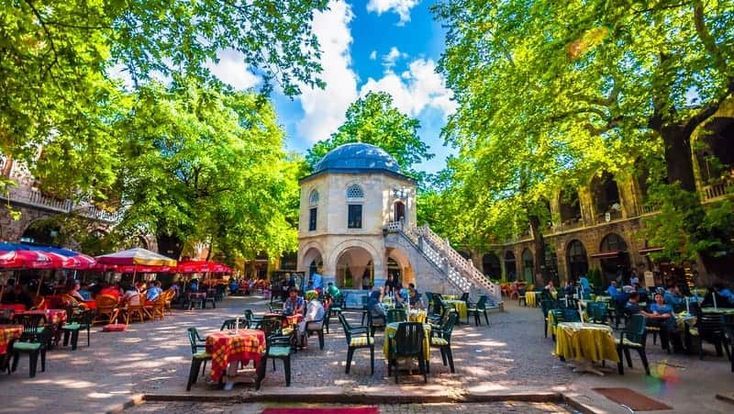
Koza Han was built in 1489 under the order of Ottoman Sultan Bayezid II. It originally functioned as a caravanserai and trading center for merchants traveling between Istanbul, Iran, and the Far East. The word “Koza” means “cocoon” in Turkish, reflecting Bursa’s role as a major silk hub in Anatolia.
Historically, silk from China traveled via land and sea routes to Iran, then through Anatolia to Europe, with Bursa serving as a critical junction. The market facilitated not only raw silk trade but also the exchange of Persian weaving techniques, Anatolian patterns, and Byzantine dyeing methods, establishing Bursa as a world-renowned silk-weaving center.
The market is rectangular in layout, with a two-story structure at its center. In the courtyard stands a monumental plane tree over 600 years old, beside a stone fountain once used by merchants to rinse silk samples. The upper floor houses silk and brocade shops, while the ground floor features tea houses and cafés where merchants negotiated prices and exchanged news.
📖 Local Story: According to legend, a merchant from China’s western regions arrived with an exceptionally rare silk that shimmered like dawn and flowed like water. He fell in love with the daughter of a Bursa weaver and settled in the city, passing on his weaving techniques to local artisans. Decades later, this tale of cultural exchange became a symbol of Bursa’s silk legacy.
Uludağ
Uludağ is the highest mountain in northwestern Türkiye, reaching 2,543 meters in elevation. Known as Mount Olympus in ancient Greek times, it was believed that the gods watched the Trojan War from its summit. During the Byzantine period, it served as a retreat for monks, with monasteries scattered along its slopes. Under Ottoman rule, it became a summer retreat and hunting ground for sultans. Today, Uludağ is Türkiye’s largest ski resort, with a snow season lasting up to four months.
📖 Local Belief: Locals believe that “snow spirits” dwell in the mountain and guide lost travelers back to safety during snowstorms. Hikers often leave stones at the summit as a sign of respect.
Bursa Thermal Baths
The history of Bursa’s thermal baths dates back to the Roman Empire, when the city was known as Prusa and was a famed spa destination. The Romans, who valued bathing culture, constructed large bath complexes using the natural hot springs flowing from the foothills of Uludağ to treat ailments such as rheumatism and skin conditions.
During the Byzantine era, the baths remained popular among nobles and clergy, adorned with marble pools, vaulted ceilings, and mosaic decorations symbolizing wealth and status. The Ottoman period marked a golden age for Bursa’s thermal baths. After conquering Bursa, Sultan Orhan Gazi commissioned several royal bathhouses in the Çekirge district, including private chambers reserved for the Sultan and the royal family. Records mention that Sultan Murad I ordered a garden to be built beside the baths, where floral fragrances mingled with rising steam, creating a scene likened to a “realm of mist.”
📖 Local Story: It is said that a Sultan’s consort, long afflicted by rheumatism, was miraculously cured after bathing in the Çekirge thermal waters for forty days. In gratitude, the Sultan ordered the baths to be opened free to the public for three days. Since then, the springs have been revered as “healing waters.”
Modern Bursa thermal baths preserve Ottoman architectural features, including high domes, marble pools, and copper faucets still in use today. The spring water temperatures range from 47–78°C and are rich in calcium, magnesium, and sulfur compounds. In addition to their therapeutic qualities, the waters are believed to enhance skin softness. Visitors can experience a traditional Turkish bath (Hamam), complete with full-body exfoliation and massage by bath attendants, recreating the luxurious bathing rituals of the Ottoman elite.